Table of Contents >> Show >> Hide
- What Is the Crafty Grandma Aesthetic?
- 1. Source Vintage and Handmade Pieces
- 2. Layer Florals, Checks, Stripes, and Tiny Prints
- 3. Bring in Quilts, Crochet, Embroidery, and Soft Textiles
- 4. Display Collections With Intention
- 5. Choose Warm Wood, Skirted Furniture, and Cozy Seating
- 6. Create a Craft Corner That Looks as Good as It Works
- Color Palettes That Work for the Crafty Grandma Aesthetic
- How to Avoid Making the Look Feel Dated
- Experience Section: What It Feels Like to Live With the Crafty Grandma Aesthetic
- Conclusion
The crafty grandma aesthetic has officially wandered in from the sewing room, carrying a basket of yarn, a plate of lemon bars, and more decorating confidence than a minimalist white box ever dreamed of having. This cozy home decor trend celebrates handmade details, vintage pieces, floral prints, embroidered linens, thrifted treasures, and rooms that look like they have lived a full, charming life.
Unlike sterile showroom styling, the crafty grandma aesthetic is warm, layered, nostalgic, and deeply personal. It borrows from grandmacore, cottagecore, granny chic decor, vintage home styling, and the current love for artisan-made interiors. But it is not about making your home look old-fashioned in a dusty, forgotten-attic way. The goal is comfort with character: a home that feels collected, loved, and just a little bit like someone wise is about to teach you how to hem pants while telling a wildly dramatic story about the neighbors.
As more homeowners move away from fast decor and overly polished spaces, the crafty grandma look feels fresh because it is not trying too hard. It welcomes quilts, skirted tables, lace curtains, ceramic lamps, patchwork pillows, floral wallpaper, cross-stitch art, and secondhand furniture. It says, “Yes, that mismatched teacup has emotional depth.” Here are six stylish ways to get the look without accidentally turning your living room into a museum of expired hard candy.
What Is the Crafty Grandma Aesthetic?
The crafty grandma aesthetic is a home style built around nostalgia, handmade beauty, soft pattern, practical comfort, and vintage charm. It is the visual opposite of cold minimalism. Instead of hiding every object behind flat cabinet doors, this style proudly displays books, baskets, framed needlework, family heirlooms, ceramic dishes, and the occasional tiny porcelain animal that has no job except being delightful.
Think of it as grandmacore with a creative streak. The look includes traditional decorating elements such as floral fabrics, warm wood, ruffled edges, lace, embroidered textiles, and antique silhouettes. But the “crafty” part adds another layer: handmade items, visible mending, crocheted throws, painted furniture, decoupage trays, framed fabric scraps, quilt patterns, and DIY details that make a room feel personal instead of purchased in one afternoon.
The best part? This aesthetic is forgiving. A perfect crafty grandma room does not need perfect symmetry, expensive furniture, or matching sets. In fact, matching sets can look suspiciously un-grandma. The charm comes from mixing old and new, soft and structured, practical and sentimental. The result is a room that feels calm, colorful, and emotionally well-fed.
1. Source Vintage and Handmade Pieces
If the crafty grandma aesthetic had a golden rule, it would be this: avoid anything that looks like it was born in a warehouse yesterday. Vintage and handmade pieces are the soul of the style. They bring patina, texture, story, and individuality into a room.
Where to Look for the Right Pieces
Start with thrift stores, estate sales, flea markets, antique malls, local craft fairs, and online handmade marketplaces. Look for objects that feel useful, pretty, or slightly eccentric. A scalloped wooden shelf, hand-painted tray, embroidered pillowcase, old brass candlestick, patchwork quilt, or ceramic pitcher can instantly add grandma-approved charm.
The trick is to shop slowly. This is not a trend that works best when bought in bulk. A room filled with brand-new “vintage-inspired” items can look staged. A room with a few genuine secondhand finds feels more natural. One old lamp with a pleated shade may do more for the room than ten mass-produced accessories trying very hard to look whimsical.
How to Keep It Fresh
Balance older pieces with clean, modern basics. For example, place a vintage floral chair beside a simple linen sofa. Hang antique plates above a crisp painted console. Use an old wooden dresser in a bedroom with fresh bedding. This contrast keeps the look charming instead of cluttered.
Also, do not underestimate small handmade touches. A knitted cushion cover, hand-thrown mug, framed embroidery, or painted picture frame can make a room feel personal. The goal is not perfection; it is presence. Handmade decor says a real human was here, probably with tea, opinions, and excellent button storage.
2. Layer Florals, Checks, Stripes, and Tiny Prints
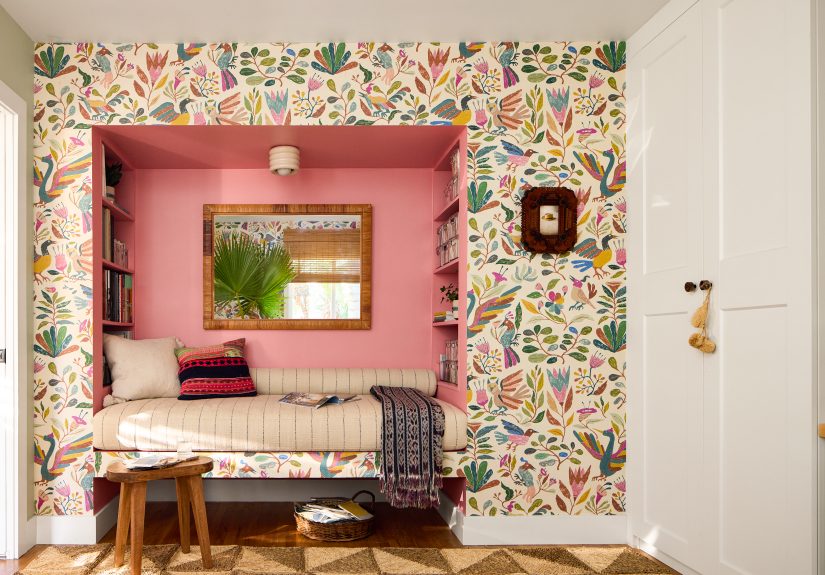
Patterns are essential to the crafty grandma aesthetic. Florals are the star of the show, but they are much better when they have a supporting cast. Checks, stripes, gingham, toile, ticking fabric, block prints, and small botanical motifs all work beautifully together when handled with a bit of restraint.
Start with a Lead Pattern
Choose one main pattern to guide the room. It might be floral curtains, a wallpapered accent wall, a patterned armchair, or a quilt at the end of the bed. Once you have that hero print, pull two or three colors from it and repeat those colors in smaller details around the room.
For example, if your floral curtains include dusty rose, sage green, cream, and warm brown, use sage pillows, a cream lampshade, a brown wooden table, and perhaps a dusty rose throw. The room will feel collected but not chaotic.
Mix Pattern Scale
One common mistake is using patterns that are all the same size. A large floral sofa with large floral pillows and large floral curtains can quickly become a botanical ambush. Instead, mix scale. Pair a big cabbage rose print with a tiny gingham, a narrow stripe, or a subtle woven texture.
This keeps the eye moving and gives the room depth. It is the same principle that makes a good quilt interesting: variety, rhythm, and just enough surprise to keep things from looking too polite.
3. Bring in Quilts, Crochet, Embroidery, and Soft Textiles
The crafty grandma aesthetic is not complete without textiles. This is a touchable trend. It wants softness, warmth, and layers that invite people to sit down and stay a while. If your room looks good but nobody wants to curl up in it, Grandma would like a word.
Use Textiles as Decor
Quilts are especially powerful because they combine color, pattern, craft, and history. Fold one over a sofa, drape one across the end of a bed, or hang a lightweight quilt as wall art. Crochet blankets, embroidered cushions, lace-trimmed runners, and knitted throws also add instant character.
Needlepoint and cross-stitch are having a quiet comeback as well. Framed stitched art can look witty, sweet, or surprisingly modern depending on how it is styled. Try grouping a few small pieces in mismatched vintage frames for a gallery wall that feels personal rather than overly designed.
Do Not Fear Lace
Lace has suffered from unfair accusations of being fussy. Used carefully, it can be beautiful. Try lace cafe curtains in a kitchen, a lace runner on a wooden dresser, or a small lace-trimmed pillow mixed with plain linen. The key is contrast. Lace looks more current when paired with rustic wood, matte ceramics, or simple painted furniture.
Think of lace like seasoning. A little makes the dish charming. Too much and suddenly the room is wearing a wedding veil.
4. Display Collections With Intention
Crafty grandma style loves collections: teacups, plates, baskets, books, tins, candlesticks, buttons, postcards, glassware, and small framed art. But there is a difference between a curated collection and a room that looks like every shelf sneezed.
Create Small Moments
Group similar items together so they feel intentional. Three blue-and-white plates on a wall, a cluster of brass candlesticks on a mantel, or a shelf of vintage cookbooks can create a charming focal point. Collections work best when they have breathing room.
Use trays, baskets, and shelves to organize objects. A tray can make random items look like a vignette. Without a tray, the same items may look like you forgot to clean up after a very ambitious tea party.
Make Everyday Items Beautiful
One reason this aesthetic feels so comforting is that it celebrates useful things. A ceramic utensil crock, a woven sewing basket, a stack of folded napkins, or a row of glass jars can be both practical and decorative. Crafty grandma decor does not hide domestic life; it makes it look charming.
In the kitchen, display copper molds, vintage mixing bowls, floral plates, or hand-labeled pantry jars. In the living room, stack books on side tables and place a small lamp nearby. In the bedroom, use a painted tray for perfume bottles or jewelry. The room should feel lived in, not staged for a catalog where nobody has ever needed scissors.
5. Choose Warm Wood, Skirted Furniture, and Cozy Seating
Furniture is where the crafty grandma aesthetic becomes grounded. While accessories add charm, furniture creates the mood. Look for warm woods, rounded shapes, upholstered pieces, slipcovers, skirted tables, and chairs that seem emotionally prepared to host a long conversation.
Embrace Skirts and Slipcovers
Skirted furniture is back because it softens a room instantly. A skirted side table, sofa, or vanity stool adds movement and a traditional touch. Slipcovers are equally useful because they make a room feel relaxed and washable, which is important if you actually live in your home and occasionally eat toast near furniture like a normal person.
White, cream, blue, sage, floral, and ticking-stripe slipcovers all work well. If you want a more updated version of the look, choose simpler fabrics and let the vintage accessories carry the nostalgia.
Mix Furniture Eras
A crafty grandma room should not look like it was purchased as a set. Mix a modern sofa with an antique side table. Pair a vintage writing desk with a contemporary chair. Add a cane-back rocker, a spindle chair, or a small wooden stool for texture.
Warm wood is especially important. Pine, oak, walnut, and cherry tones add richness and balance out softer textiles. Even one antique dresser or wooden coffee table can make a room feel more grounded and collected.
6. Create a Craft Corner That Looks as Good as It Works
The crafty grandma aesthetic is not only about looking crafty. It should leave room for actual making. A small craft corner can become one of the most charming parts of the home, whether you sew, knit, paint, scrapbook, arrange flowers, or simply enjoy owning beautiful supplies that make you feel like you might start a project at any moment.
Design a Beautiful Work Zone
You do not need a full craft room. A small desk, a rolling cart, a wall shelf, or a cabinet can work. Store supplies in woven baskets, glass jars, fabric bins, vintage tins, or wooden boxes. Hang scissors, ribbons, thread, or measuring tape where they are easy to reach and pleasant to look at.
Good lighting is essential. Add a table lamp with a fabric shade, a wall sconce, or a small task light. A comfortable chair matters too. Grandma may be crafty, but she is not here for back pain.
Let Supplies Become Part of the Decor
Colorful yarn, embroidery floss, fabric remnants, paintbrushes, and paper goods can all be decorative when displayed neatly. Open shelving works well if you keep the palette somewhat coordinated. If your supplies are more chaotic, hide them in pretty boxes and label them clearly.
This is also a wonderful place to add personal touches: a framed family recipe, a vintage calendar page, a tiny vase of flowers, or a pinboard covered in fabric. The goal is to make creativity feel accessible, not like a formal appointment with perfection.
Color Palettes That Work for the Crafty Grandma Aesthetic
The best color palettes for this look are warm, soft, and slightly nostalgic. Cream, butter yellow, dusty rose, sage green, powder blue, warm brown, faded red, lavender, and antique white all fit naturally. Deeper shades such as burgundy, forest green, navy, and chocolate brown can add richness when used in small doses.
If you prefer a lighter room, keep the walls creamy and layer color through textiles, artwork, ceramics, and flowers. If you love bold interiors, try wallpaper, painted trim, or a patterned sofa. The crafty grandma aesthetic is flexible enough to be sweet and airy or dramatic and deeply layered.
How to Avoid Making the Look Feel Dated
The difference between “crafty grandma chic” and “forgotten guest room from 1987” comes down to editing. Keep the pieces you love, but give them space. Use fresh paint, clean lines, and modern lighting to sharpen vintage elements. Avoid overcrowding every surface. A few sentimental pieces are charming; thirty-seven porcelain figurines staring at guests from every direction may become a social challenge.
Another smart strategy is to add one unexpected modern element. This could be a sleek floor lamp, a simple sofa, contemporary art, or a bold color accent. Modern contrast makes vintage pieces feel intentional rather than accidental.
Experience Section: What It Feels Like to Live With the Crafty Grandma Aesthetic
The most surprising thing about the crafty grandma aesthetic is how quickly it changes the mood of a home. Many decor trends are mostly visual. They photograph well, behave nicely on social media, and then make everyday life feel like you are trespassing in a boutique hotel. Crafty grandma style does something different: it makes a room feel emotionally available.
When people try this look, they often begin with one small piece. Maybe it is a quilt from a closet, a thrifted lamp, or a floral pillow that looked slightly too bold in the store but perfect once it landed on the sofa. Then another piece joins in: a wooden tray, a framed recipe card, a crocheted throw, a tiny vase from an antique shop. Slowly, the room starts to feel less decorated and more known.
One real advantage of this aesthetic is that it invites patience. You cannot build the best version of it in a single shopping trip, and that is exactly why it works. The process encourages you to notice what you actually like. Do you love blue-and-white ceramics? Old botanical prints? Warm wood? Quilts with faded reds and creams? Once you pay attention, your home begins to develop a clearer personality.
There is also a comforting practicality to the style. Baskets hold blankets. Trays gather clutter. Quilts are beautiful but also warm. Cafe curtains soften a kitchen while adding privacy. A vintage dresser can store linens, craft supplies, or the mysterious pile of things every household seems to produce. Nothing has to be purely decorative. Crafty grandma style understands that homes need to function, not just pose.
The aesthetic can also make family history feel visible. A recipe handwritten by a relative, a piece of embroidery, an old photo, or a passed-down serving dish can become part of daily life instead of staying packed away. Even if you do not have heirlooms, secondhand pieces can still bring a sense of story. A chipped pitcher from a flea market may not know your family secrets, but it can still look like it does.
Another experience people often notice is how guests respond. Rooms with handmade and vintage details tend to start conversations. Someone asks where the lamp came from. Someone notices the framed cross-stitch. Someone touches the quilt and says it reminds them of their childhood. The room becomes less about impressing people and more about connecting with them.
Of course, the look requires a little discipline. It is very easy to cross the line from cozy to crowded. The best approach is to rotate pieces seasonally, edit surfaces, and leave some blank space. Grandma may love collections, but even Grandma knows the coffee table should have enough room for snacks.
Living with the crafty grandma aesthetic feels like giving your home permission to be warm, imperfect, useful, and sentimental. It is not about copying a grandmother’s house exactly. It is about borrowing the best parts: resourcefulness, comfort, creativity, memory, and the belief that a handmade pillow can absolutely improve a Tuesday.
Conclusion
The crafty grandma aesthetic is popular because it offers something many modern homes have been missing: soul. It celebrates vintage finds, handmade details, cozy textiles, pattern mixing, warm furniture, and creative spaces that make everyday life feel richer. This look is not about pretending to live in the past. It is about bringing the warmth, patience, and charm of old-school homemaking into the present.
Start small with a quilt, a floral pillow, a thrifted lamp, or a handmade ceramic bowl. Then layer slowly. Mix old and new. Let your shelves show a little personality. Add a craft corner if you can. Most importantly, choose pieces that make you feel something. That is the real secret behind the crafty grandma aesthetic: it is not just a look. It is a home that knows how to give you a hug.
Note: This original article is written in standard American English for web publication and is based on current U.S. home decor trend research, vintage styling principles, and craft-centered interior design ideas.