Table of Contents >> Show >> Hide
- First, a quick reality check: what “endometriosis pain” can actually be
- 1) Pelvic floor physical therapy: the pain relief you didn’t know you were allowed to ask for
- 2) TENS (nerve stimulation): a techy little rectangle that can interrupt pain signals
- 3) Heatupgraded: bigger coverage, better timing, fewer burns
- 4) The “movement paradox”: exercise can help… if you stop forcing it to be a punishment
- 5) Yoga and breathwork: not “woo,” just nervous-system training
- 6) Mindfulness and CBT: pain relief that starts in the brain but doesn’t end there
- 7) Sleep as pain medicine: boring, powerful, and wildly underestimated
- 8) The gut–pelvis connection: constipation, bloating, and “endo belly” are not character flaws
- 9) Flare planning: track patterns so you’re not surprised by your own body
- 10) Don’t ignore sexual pain: positioning, pelvic floor care, and sex therapy can change the game
- What about the “standard” treatments?
- A simple “unexpected” endometriosis flare plan (steal this)
- Conclusion: pain relief isn’t one trickit’s a toolkit
- Real-Life-ish Experiences: What People Say Helped (Sometimes)
Medical note: This article is for education, not diagnosis or personal medical advice. Endometriosis pain can overlap with other conditions (fibroids, IBS, pelvic floor dysfunction, bladder pain, and more). If pain is severe, worsening, or interfering with daily life, talk with a qualified clinician.
Endometriosis pain has a reputation: it’s the kind of pain that doesn’t care if you have plans, pants with buttons, or a life. And while medications and surgery can be important parts of treatment, many people discover something annoying-but-true: the pain doesn’t always come from one “spot,” so relief often doesn’t come from one “spot” either.
The “unexpected” part isn’t magicit’s strategy. Endometriosis can involve inflammation, hormonal cycling, irritated nerves, muscle guarding, bowel/bladder involvement, fatigue, sleep disruption, and stress feedback loops. That means some surprisingly effective tools target muscles, nerves, and the brain–body pain systemnot just the lesions themselves.
Below are evidence-informed, real-world approaches that many clinicians now consider part of a modern endometriosis pain plan. Think of them as add-ons that can make your existing treatment work better… or at least make your heating pad feel like it has backup.
First, a quick reality check: what “endometriosis pain” can actually be
People often picture endometriosis pain as a simple “lesions cause pain” equation. Sometimes it is. But pain can also be driven by:
- Pelvic floor muscle spasm (your muscles going into protective “armor mode”)
- Nerve sensitization (nerves becoming extra reactive over time)
- Central pain amplification (the nervous system learning pain too well)
- Bowel and bladder cross-talk (constipation, diarrhea, bloating, urinary urgency)
- Fatigue + sleep disruption (which lowers the brain’s pain “braking system”)
- Stress (not “it’s all in your head,” but “your head is part of your body”)
This is why two people with similar-looking disease can feel totally differentand why relief often comes from a layered approach. Let’s get into the unexpected tools that target those layers.
1) Pelvic floor physical therapy: the pain relief you didn’t know you were allowed to ask for
If you only take one thing from this article, let it be this: pelvic floor physical therapy (PT) is not just for postpartum recovery or Kegels. Many endometriosis patients develop pelvic floor tension, trigger points, and protective muscle guardingespecially when pain has been around for a while.
Pelvic floor PT (with a properly trained pelvic health therapist) may include gentle manual techniques, breathing mechanics, mobility work, posture/hip strengthening, and relaxation training. The goal isn’t to “fix endometriosis.” The goal is to stop the surrounding muscles and nerves from throwing a nonstop tantrum.
Why it feels “unexpected”: You can have pelvic pain even after surgery or while on hormones because muscles and nerves can keep firing pain signals. Addressing pelvic floor dysfunction is often a missing piece.
How to try it: Ask your gynecologist or primary care clinician for a referral to a pelvic floor physical therapist. If you hear “Just do Kegels,” that’s your cue to politely request someone who specializes in pelvic pain and relaxation-based pelvic floor therapy (not strengthening-only).
Mini tip: try “down-training” before “strengthening”
For many people with endometriosis pain, the pelvic floor is already overworking. A good PT will often start with relaxation and coordinationthen add strength later if appropriate.
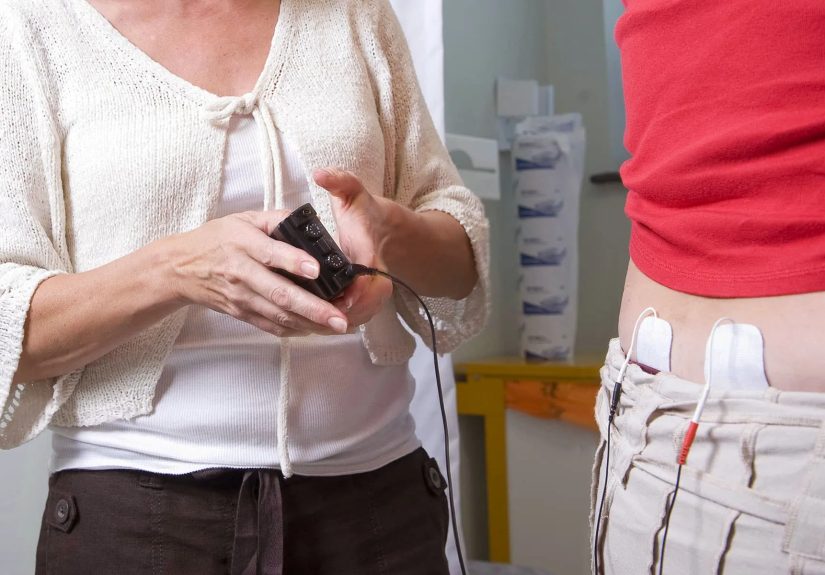
2) TENS (nerve stimulation): a techy little rectangle that can interrupt pain signals
Transcutaneous Electrical Nerve Stimulation (TENS) is a non-drug pain tool that delivers mild electrical stimulation through pads placed on the skin. It’s widely used for various pain conditions, and research specifically in endometriosis-related pelvic pain suggests TENS can help reduce pelvic pain and painful intercourse for some patients.
Why it feels “unexpected”: It doesn’t treat hormones or lesions. It targets the nervous system’s pain signalingthink “noise-canceling headphones,” but for pain pathways.
How to use it safely: Work with a clinician or physical therapist for placement and settings (especially if pain is deep pelvic, radiating, or associated with intercourse). Avoid using over broken skin, and follow device safety instructions. If you have a pacemaker or certain medical devices, you’ll need medical guidance first.
When it’s especially useful:
- During flare days when you want something non-medication-based
- When muscle spasm and nerve pain are major features
- While waiting for specialist appointments (with clinician guidance)
3) Heatupgraded: bigger coverage, better timing, fewer burns
Heat is classic advice because it works: it can relax muscles and reduce cramping. The “unexpected” part is how much technique matters. Many people use a tiny heating pad like they’re trying to toast one ravioli at a time.
Try these upgrades:
- Go wider: cover the lower abdomen and low back/hips if those are involved.
- Use intervals: many clinicians recommend time limits (e.g., cycles of use) to reduce burn riskfollow your device’s guidance.
- Pair with breath: slow belly breathing while using heat can help the pelvic floor “unclench.”
- Warm bath + gentle movement: a warm soak followed by easy stretching can be more effective than heat alone.
Pro tip: If you’re relying on heat daily, that’s not “weakness.” It’s a signal that your pain system needs consistent support. That’s when adding pelvic floor PT, TENS, or mind-body strategies can reduce your dependence on constant heat.
4) The “movement paradox”: exercise can help… if you stop forcing it to be a punishment
When you’re in pain, exercise advice can sound like someone suggesting you “take a brisk walk” during a house fire. But research and clinical guidance often include gentle exercise and relaxation techniques as part of symptom management, and many patients report that the right movement reduces day-to-day pain and improves function over time.
The unexpected part: It’s not about intensity. It’s about turning down pelvic muscle tension, improving circulation, and supporting the nervous system’s pain modulation.
Low-drama movement options that often play nicely with endometriosis
- Walking (flat ground, short loops, “snack-sized” sessions)
- Swimming or water walking
- Gentle yoga focused on breathing and relaxation
- Mobility work for hips, glutes, and low back
Rule of thumb: You should feel a little better (or at least not worse) within 24 hours. If you feel wrecked for two days, scale down, change the activity, or consult a pelvic pain-informed PT.
5) Yoga and breathwork: not “woo,” just nervous-system training
Yoga is often dismissed as “stretching with vibes.” But for endometriosis pain, the value is frequently in the breathing, pelvic relaxation, and stress regulationnot Instagram-level flexibility.
Studies involving women with endometriosis and chronic pelvic pain have reported improvements in pain and quality of life with yoga programs. Breathing techniques (like slow diaphragmatic breathing) can reduce guarding and help manage pain perceptionespecially when pain is tightly linked to muscle tension and stress response.
Make it practical: Choose “gentle,” “restorative,” or “pelvic pain–friendly” classes. Avoid deep, aggressive hip-opening on flare days. If a pose feels like it’s arguing with your pelvis, you don’t have to negotiatemodify or skip.
Two beginner-friendly breath practices
- 4–6 breathing: inhale 4 seconds, exhale 6 seconds for 3–5 minutes.
- Pelvic drop visualization: on the exhale, imagine the pelvic floor softening like a hammock.
6) Mindfulness and CBT: pain relief that starts in the brain but doesn’t end there
Here’s the deal: pain is a full-body experience created by the nervous system. That doesn’t make it imaginaryit makes it treatable from more than one angle.
Cognitive Behavioral Therapy (CBT) is recommended in many chronic pain contexts and is referenced by major professional guidance for chronic pelvic pain as a tool that may help reduce suffering and improve function. The aim isn’t to “think the pain away.” It’s to reduce pain amplification (catastrophizing, hypervigilance), build coping skills, and restore a sense of control.
Mindfulness-based programs (including brief mindfulness interventions and MBSR-style approaches) have been studied in endometriosis populations and can improve pain-related outcomes and quality of life for some peopleespecially when stress and pain are tightly linked.
Unexpected benefit: These tools often help with the secondary pain tax: anxiety, sleep disruption, fear of flares, and “my body betrayed me” exhaustion.
How to try it without making it a new full-time job:
- Ask for a referral to a pain psychologist or therapist familiar with chronic pain.
- Try a short daily practice (5 minutes) rather than a heroic 45-minute meditation you’ll resent.
- Track outcomes like “days I could function” rather than “pain = zero.”
7) Sleep as pain medicine: boring, powerful, and wildly underestimated
Pain disrupts sleep, and poor sleep increases pain sensitivity. It’s a vicious cycle that deserves more respect than it gets.
Unexpected strategy: Treat sleep like a pain intervention, not a luxury reward for “being productive.”
Sleep tweaks that can help on flare weeks
- Consistent wake time (even if bedtime shifts)
- Pre-sleep wind-down: dim lights + screen break + warm shower or bath
- Supportive positioning: pillow under knees (back sleepers) or between knees (side sleepers)
- Gentle heat + slow breathing for 5 minutes before bed
If insomnia is persistent, discuss it with a clinician. Treating sleep can be part of treating pain.
8) The gut–pelvis connection: constipation, bloating, and “endo belly” are not character flaws
Endometriosis commonly overlaps with GI symptoms, including bloating, constipation, diarrhea, and IBS-like patterns. When the bowel is irritated or backed up, the pelvis often responds with more pain and muscle guardinglike a neighborhood where everyone calls the cops at once.
Unexpected relief moves:
- Constipation-first thinking: if flares include bowel pain or pressure, address stool consistency and frequency.
- Fibercarefully: for some, gradual fiber helps; for others, too much too fast increases gas and pain.
- Hydration + magnesium discussion: some people find magnesium helpful for constipation, but it can interact with conditions/medicationsask a clinician.
- Meal timing: smaller, more frequent meals may reduce bloating pressure on the pelvis.
About diet: Research on specific “endometriosis diets” is still evolving, and what helps one person may not help another. However, many clinicians support experimenting (carefully) with anti-inflammatory patternslike Mediterranean-style eatingbecause of potential effects on inflammation and overall health. Work with a registered dietitian if you’re doing significant restrictions, especially if you have a history of disordered eating, anemia, or significant weight changes.
9) Flare planning: track patterns so you’re not surprised by your own body
One underrated pain tool is a low-effort symptom log. Not a spreadsheet that eats your souljust enough data to identify patterns: cycle timing, foods, stress spikes, sleep loss, bowel changes, or activity overload.
What to track (pick 3–5):
- Pain level + location (abdomen, back, hips, rectal, bladder)
- Bleeding and cycle day
- Bowel pattern (constipation/diarrhea/bloating)
- Sleep quality
- Major stressors or big activity days
Unexpected payoff: You’ll walk into appointments with evidence, not just exhaustion. That can speed up better care.
10) Don’t ignore sexual pain: positioning, pelvic floor care, and sex therapy can change the game
Pain with sex (or after) can involve deep endometriosis pain, pelvic floor spasm, and sensitized nerves. This is common, and it is treatableespecially with the right support.
Unexpected (and helpful) options:
- Pelvic floor PT for muscle guarding and trigger points
- Sex therapy to reduce fear-avoidance and improve communication and comfort
- Positioning experiments that reduce depth/angle discomfort
- Longer warm-up + lubrication (because friction is not a personality trait)
If sex-related pain is significant, it’s worth discussing with a clinicianespecially because it can affect relationships, mental health, and overall quality of life.
What about the “standard” treatments?
To be clear: medications and medical care matter. Major medical sources describe common treatments such as NSAIDs for pain, hormonal therapies (like combined birth control or progestins), GnRH-based therapies for certain patients, and surgery when appropriate. Some people also need multidisciplinary support for chronic pelvic pain that includes PT and pain psychology.
Important safety notes:
- NSAIDs can irritate the stomach and have other risks with long-term useuse them as directed and discuss frequent use with a clinician.
- Opioids may be used in limited severe cases but are not a long-term solution for most people.
- Hormonal and surgical decisions should be individualized based on goals (pain control, fertility, side effects, recurrence risk).
A simple “unexpected” endometriosis flare plan (steal this)
If you tend to freeze when a flare hits (totally normal), here’s a simple plan you can adapt with your clinician:
- Calm the muscles: heat + 4–6 breathing for 5 minutes.
- Interrupt the signal: TENS (if approved for you) or gentle walking for 5–10 minutes.
- Decompress the pelvis: supported child’s pose, legs-up-the-wall, or pillow-supported rest.
- Check the gut: hydration, warm fluids, constipation support if needed.
- Lower the stress load: quick mindfulness audio, CBT coping cue, or text a support person.
Is it glamorous? No. Is it often effective enough to get you through the day? Surprisingly, yes.
Conclusion: pain relief isn’t one trickit’s a toolkit
Endometriosis pain is complex, which is unfair, but also useful information. Because when pain has multiple drivers, you can get relief from multiple directionsmuscles, nerves, stress response, sleep, gut function, and medical treatment working together.
The most “unexpected” relief many people find is this: once you stop chasing a single miracle fix and start building a toolbox, progress becomes more predictable. Not perfect. Not linear. But finally, realistically better.
Real-Life-ish Experiences: What People Say Helped (Sometimes)
Note: The experiences below are composite scenarios inspired by common patient themes (not real individuals). Endometriosis is personal, and what helps one person may not help another. The goal is to show how these strategies can look in real lifemessy schedules, limited energy, and all.
Experience #1: “I thought pelvic floor PT was just… Kegels.”
“Maya” spent years treating her pelvic pain like a problem that lived only in her uterus. Heat helped. NSAIDs helped. Hormones helped a littleuntil they didn’t.
The surprise came when her specialist mentioned pelvic floor spasms and referred her to a pelvic health physical therapist. At the first visit, the therapist explained that pain can cause muscles to clamp down for protection,
and after months or years, the clenching becomes automaticlike your body is bracing for impact 24/7.
Her early sessions focused on breathing, gentle hip mobility, and relaxation-based techniques (not aggressive strengthening). Within a few weeks, she noticed something subtle:
flare days still existed, but the “aftershock” (the lingering soreness and tightness) didn’t last as long. The biggest win was unexpected: sex became less painful
because her muscles weren’t constantly preparing for pain. She described it as “my pelvis stopped being on high alert.”
Experience #2: “TENS felt weird… until it didn’t.”
“Jordan” wanted a non-medication option for flare days because her stomach didn’t love frequent NSAIDs. A clinician suggested trying a TENS unit.
Her first reaction: “So I’m supposed to slap robot stickers on my belly and hope for the best?” Fair.
But with guidance on placement and settings, she experimented during a predictable monthly flare window.
The result wasn’t a miracle, but it was meaningful: TENS lowered pain enough that she could walk, eat, and sleepthree things that often collapsed during flares.
She started using it as part of a routine: TENS for 20–30 minutes, then a warm shower, then legs-up-the-wall with slow breathing.
She called it “my pain circuit breaker.” It didn’t erase pain, but it helped prevent the spiral where pain turns into tension,
tension turns into more pain, and the whole day gets canceled.
Experience #3: “Mindfulness didn’t ‘fix’ meit made me less afraid.”
“Elena” was exhausted by the mental load of endometriosis: anticipating pain, dreading plans, canceling plans, feeling guilty about canceling plans,
and then stressing about stress making the pain worse (a truly elite, gold-medal anxiety loop).
A pain therapist introduced CBT-style skills and a short mindfulness practicenot as a substitute for medical care, but as a way to reduce pain amplification.
Elena’s “unexpected” improvement wasn’t that pain vanished. It was that flare days stopped feeling like personal failure.
She learned to notice the early signs (sleep loss, constipation, overdoing it) and respond sooner with a flare plan.
She practiced 5 minutes of breathing dailytiny enough to be realisticand used a brief guided meditation when pain spiked.
Over time, her pain ratings improved modestly, but her quality of life improved a lot: she felt more in control, slept better, and recovered faster after flares.
She summarized it perfectly: “I’m still dealing with endo, but I’m not constantly fighting my own nervous system.”
Experience #4: “My gut was quietly hijacking my pelvis.”
“Sam” assumed her bloating and constipation were just unfortunate side effects of “having a uterus.” But she noticed a pattern:
when she was constipated, her pelvic pain was sharper, deeper, and harder to calm.
With clinician guidance, she worked on basics firsthydration, gentle movement after meals, a slower build-up of fiber instead of sudden food overhauls,
and a plan for constipation support when flares began.
The surprise was how quickly pelvic pressure improved when bowel habits were steadier. Her pain wasn’t gone, but it was less explosive.
She also learned that some “healthy” foods (big raw salads, certain beans) were too much during flare weeks, so she chose softer, simpler meals temporarily.
Her biggest takeaway: “My pelvis and my gut are basically roommates. If one is having a bad day, the other starts blasting music at 2 a.m.”
The common thread in all these experiences: relief often came from stacking small, realistic toolsmuscle care, nerve modulation, nervous-system skills, sleep, and gut supportalongside medical treatment.