Table of Contents >> Show >> Hide
- What Are Lentils, Exactly?
- Lentil Nutrition 101 (What You’re Actually Eating)
- Health Benefits of Lentils
- How Much Fiber Do You Need (and How Lentils Help)
- Lentils in Real-World Eating Patterns
- How to Cook Lentils on the Stovetop (Foolproof Method)
- Fast-Track Options: Instant Pot and Meal Prep Shortcuts
- Flavor Upgrades That Make Lentils Feel Like a Real Meal
- Troubleshooting: Why Are My Lentils Still Hard?
- Storage and Food Safety
- Kitchen Notes: The Real-Life Experience of Becoming a “Lentil Person” (Extra )
- Wrap-Up
Lentils are the pantry ingredient that quietly does everything: they’re cheap, fast, filling, and somehow work in dishes from cozy soup to spicy dal to “I’m trying to meal prep but also I want tacos.” They’re also one of the easiest ways to eat more plant-based protein without committing to a blender lifestyle.
If you’ve ever stared at a bag of lentils and thought, “Okay… but what do I do with these tiny disks?”this is your playbook. We’ll cover what’s in lentils nutritionally, why they’re so good for you, and exactly how to cook them so they’re tender (not crunchy… and not baby food).
What Are Lentils, Exactly?
Lentils are edible seeds from the legume family (same big family as beans and peas). Unlike many dried beans, lentils usually don’t require soaking and cook relatively quicklymaking them a weeknight hero when your hunger is urgent and your patience is not.
Types of Lentils (and What They’re Best At)
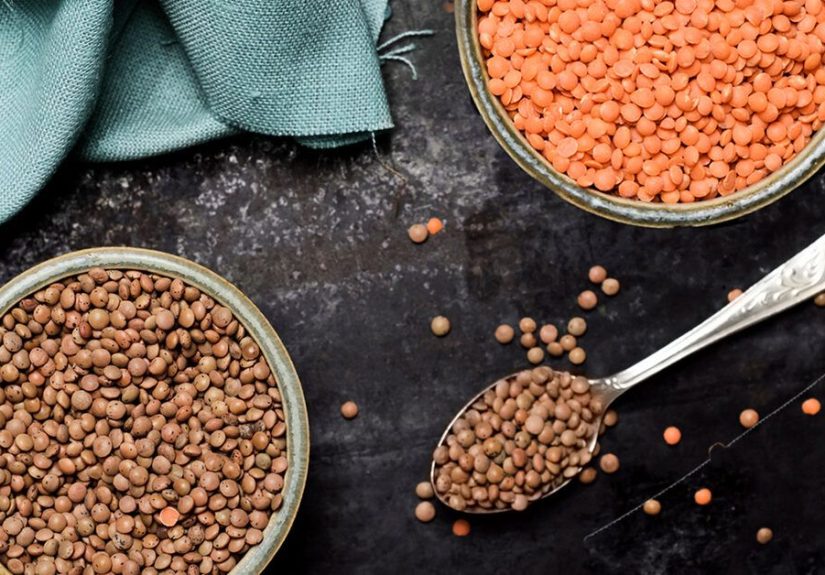
- Brown lentils: The everyday workhorse. Mild, earthy flavor, generally holds shape if you don’t overcook. Great for soups, stews, and “I need protein in this pasta sauce.”
- Green lentils: A bit more peppery/robust than brown; tends to hold shape well. Awesome in salads and bowls when you want texture.
- French green (Puy-style) lentils: Smaller, firmer, and classy. They keep their shape beautifullyideal for salads, warm sides, and anything where mush would be tragic.
- Black (Beluga) lentils: Tiny, dark, and glossy; they can hold shape and look fancy with almost no effort. Great in salads, grain bowls, and plated meals.
- Red/yellow lentils: These cook fast and break down easily. Perfect for creamy dal, thick soups, and sauces. Not ideal if you want distinct lentil “pearls.”
Lentil Nutrition 101 (What You’re Actually Eating)
Lentils are known for being high in fiber and plant-based protein, while staying naturally low in saturated fat and sodium. They also bring key micronutrients to the tableespecially folate and ironplus potassium, magnesium, and phosphorus.
Nutrition Snapshot: 1 Cup Cooked Lentils
Here’s a ballpark for 1 cup cooked lentils (about 198g):
| Nutrient | Approx. Amount | Why it matters |
|---|---|---|
| Calories | ~230 | Solid energy without being calorie-dense. |
| Protein | ~18g | Supports muscle maintenance and keeps meals satisfying. |
| Carbohydrates | ~40g | Mostly complex carbsslower digestion than refined grains. |
| Fiber | ~15–16g | Supports digestion, satiety, and heart/metabolic health. |
| Fat | < 1g | Very low; easy to pair with healthy fats (olive oil, avocado). |
| Potassium | ~730mg | Helps support healthy blood pressure and fluid balance. |
| Iron | ~6–7mg | Important for oxygen transport; especially relevant for plant-based diets. |
Note: exact numbers vary a bit by type, brand, and cooking method. But the theme stays the same: lentils pack a lot of nutrition into a small scoop. [1]
Fiber + Resistant Starch: The “Slow and Steady” Advantage
Lentils contain a mix of fibers (including soluble fiber) and also resistant starchcarbs that resist digestion and act more like fiber. This helps slow digestion, supports a steadier blood sugar response, and feeds beneficial gut bacteria (prebiotic action). [2][3]
Micronutrients You’ll Actually Use
- Folate: Key for DNA synthesis and cell division; especially important during pregnancy. [4]
- Iron: Plant iron (non-heme) that’s more absorbable when you pair lentils with vitamin C (think lemon, tomatoes, bell peppers). [1]
- Potassium & magnesium: Helpful for blood pressure support and overall cardiovascular function. [2]
Health Benefits of Lentils
1) Heart-Friendly by Design
Lentils naturally contain little saturated fat and are high in fibertwo traits that tend to show up in heart-smart eating patterns. Soluble fiber can help support healthy cholesterol levels, and potassium supports healthy blood pressure. [3][5]
2) Better Blood Sugar Control (Without the “No-Carbs” Drama)
Because lentils are high in fiber and contain resistant starch, they’re considered a low-glycemic, slow-digesting carbohydrate. That’s useful for anyone trying to avoid sharp blood sugar spikesespecially when lentils replace refined starches (like white rice or white pasta) in a meal. [2]
3) Satiety and Weight Management Support
Protein plus fiber is basically the “I’m not hungry again in 45 minutes” combo. Lentils help meals feel substantial, which can make it easier to manage portions without feeling like you’re on a sad diet of air and regret. [2][3]
4) Gut Health and Regularity
Fiber supports bowel regularity and overall gut health. If you’re increasing fiber, do it gradually and drink more wateryour digestive system likes a warm-up, not a surprise marathon. [5][6]
How Much Fiber Do You Need (and How Lentils Help)
Many U.S. adults fall short on fiber. Adult fiber recommendations vary by age and sex, with common targets ranging roughly from the low 20s to upper 30s grams per day. One cup of cooked lentils can deliver around 15 grams of fiber, which is a meaningful chunk of the day’s goal. [1][6]
Lentils in Real-World Eating Patterns
Lentils fit seamlessly into plant-forward eating styles (including Mediterranean- and DASH-style approaches) because they’re nutrient-dense, satisfying, and versatile. They’re also budget-friendly and relatively sustainable compared to many animal proteins. [2][7]
If you like goals you can actually remember: U.S. dietary guidance commonly encourages including beans, peas, and lentils regularly across the week (they count as either a vegetable or a protein food, depending on how you use them). [8][9]
How to Cook Lentils on the Stovetop (Foolproof Method)
This is the method you can use for most whole lentils (brown, green, French, black). Red/yellow lentils are similar, just faster and softer.
Step 1: Sort and Rinse (Yes, Even If You’re Busy)
Pour lentils onto a plate or baking sheet and quickly check for tiny stones or debris. Then rinse under cool water in a fine-mesh strainer until the water runs mostly clear. [10]
Step 2: Choose Your Cooking Liquid
- Water: clean, neutralperfect when you want to season later.
- Broth: adds instant flavor; great for soups or meal prep.
Step 3: Add Aromatics (Optional but Delicious)
Add a bay leaf, smashed garlic clove, a chunk of onion, or a few sprigs of thyme. You can also toss in carrot/celery for a more savory base. [11]
Step 4: Simmer, Don’t Boil Like You’re Angry at Them
Bring the pot to a boil, then reduce to a gentle simmer. Stir occasionally.
Cooking Time Cheat Sheet (Typical Ranges)
| Lentil Type | Typical Simmer Time | Best Use |
|---|---|---|
| Brown | ~20–30 minutes | Soups, stews, veggie burgers |
| Green | ~30–45 minutes | Salads, bowls, sides |
| French green (Puy-style) | ~25–30 minutes | Salads, warm sides |
| Black (Beluga) | ~20–25 minutes | Salads, meal prep, “fancy” plates |
| Red/Yellow (split) | ~10–15 minutes | Dal, thick soups, purees |
Times vary by brand and age of lentils. Start checking a few minutes early if you want them firm. [10][12][13]
Step 5: Salt and AcidTiming Matters
Salting during cooking is generally fine for flavor, but acidic ingredients (like vinegar, lemon juice, tomatoes) can slow softening. If your lentils stay stubbornly firm, add acidic ingredients laterafter they’re tender. [10]
Step 6: Drain (Sometimes)
If you cooked lentils like pasta (with plenty of water), drain what’s left. If you used a measured amount of water/broth, you may not need to drainjust simmer until the liquid is absorbed.
Fast-Track Options: Instant Pot and Meal Prep Shortcuts
Instant Pot / Pressure Cooker
Pressure cooking is a great option for hands-off lentilsespecially when you’re doing a big batch for the week. Use a natural release when possible to prevent blowout mush. (And yes, “blowout mush” is a technical term in my kitchen.) [10]
Canned Lentils
Canned lentils are a solid convenience food. Rinse them to reduce sodium and use them in salads, soups, and quick skillet meals. They won’t have the same bite as freshly cooked French lentils, but they’ll absolutely save a Tuesday.
Flavor Upgrades That Make Lentils Feel Like a Real Meal
- Brighten: lemon juice, vinegar, chopped pickles, or a spoon of yogurt (add after cooking).
- Deepen: cumin, smoked paprika, curry powder, chili crisp, or a dab of tomato paste.
- Make it “main dish”: toss with olive oil, herbs, roasted vegetables, and a salty topping (feta, parmesan, or toasted nuts).
- Go global: red lentil dal, lentil taco “meat,” lentil bolognese, or lentil salad with mustardy vinaigrette.
Troubleshooting: Why Are My Lentils Still Hard?
- They’re old: Very old dried lentils can take longer to soften. Not dangerousjust stubborn.
- Too much acid too early: Tomatoes or vinegar early can slow softening. Add later. [10]
- Not enough time: Especially for green lentilssome batches genuinely take closer to 45 minutes. [10]
Storage and Food Safety
Cool cooked lentils promptly and refrigerate within a couple hours. As a general food-safety rule, most cooked leftovers should be used within about 3–4 days in the refrigerator (or frozen for longer storage). [14][15]
For meal prep: store lentils in shallow containers so they cool faster, and label your batch with the date. Your future self will thank youbecause future you is busy.
Kitchen Notes: The Real-Life Experience of Becoming a “Lentil Person” (Extra )
The first time most people cook lentils, the experience is a mix of confidence and confusion: confidence because the instructions seem almost insultingly simple (“simmer until tender”), and confusion because “tender” is not a timestamp. The real trick is learning what you actually want. Do you want lentils that hold their shape for a salad? Or lentils that melt into a silky soup? Once you decide that, everything else gets easier.
A common “aha” moment happens when someone swaps the same lentils into two different meals. Day one: brown lentils in a brothy soup, simmered until soft, basically becoming part of the body of the soup. Day two: French green lentils cooked gently, drained, and tossed warm with olive oil, mustard, and herbssuddenly you’ve got something that feels restaurant-y. Same pantry staple, totally different personality.
Then there’s the seasoning curve. Many first-time lentil cooks under-season because lentils taste mild on their own (translation: they’re absorbing whatever flavor you give them, so give them something). A bay leaf and garlic will help, but the big jump in “wow” usually comes after cooking: a squeeze of lemon, a spoon of vinaigrette, a pinch of salt, and something aromatic like cumin or smoked paprika. People are often shocked that lentils can taste bright and lively instead of strictly “healthy.”
Meal prep is where lentils quietly become indispensable. Cook a pot on Sunday and suddenly your week has options. You can toss lentils into a salad for instant protein and fiber, fold them into marinara to make pasta more satisfying, or stir them into a taco skillet with spices so nobody misses the meat. The experience feels a bit like finding an extra pocket in a jacketexcept the pocket contains dinner.
There’s also the very real digestive adjustment that comes with eating more legumes. The experience is usually fine, but if someone goes from “almost no fiber” to “one cup of lentils daily,” their gut may file a complaint. The practical fix is gradual: smaller portions at first, more water, and spreading fiber throughout the day instead of dumping it all into one heroic bowl. Most people find that as their body adapts, lentils become an easy, comfortable staple rather than a special occasion food.
Finally, there’s the oddly satisfying moment when you stop treating lentils like a recipe ingredient and start treating them like a tool. Need a cheap protein? Lentils. Need fiber? Lentils. Need a cozy dinner that doesn’t require a sink full of dishes? Lentils. At that point, you’re not just cooking lentilsyou’re using them to make weeknight life easier. Which, frankly, is the best kind of “healthy habit.”
Wrap-Up
Lentils are small, but they’re doing the most: high in fiber, strong on protein, loaded with helpful micronutrients, and flexible enough to fit into almost any cuisine. Learn the basic simmer method, pick the right type for your dish, and you’ll always have a fast, affordable way to turn “what’s for dinner?” into “oh wow, this is actually great.”