Table of Contents >> Show >> Hide
- What Exactly Is a Louisiana Cottage?
- Where the Style Comes From: Creole, Acadian, Caribbean, and a Whole Lot of Weather
- The Hallmark Features of a Louisiana Cottage
- Creole Cottage vs. Acadian Cottage vs. Shotgun: A Quick, Useful Comparison
- Designing a Modern Louisiana Cottage Without Turning It Into a Theme Park
- Flood-Smart Cottage Choices: Elevation, Utilities, and Reality Checks
- Termites, Wood, and Other Louisiana Plot Twists
- Interior Style: How Louisiana Cottages Feel (and How to Get That Feel)
- Where You’ll See Louisiana Cottage Charm in the Wild
- Renovation Tips: Keeping Character While Getting Modern Comfort
- Conclusion
A Louisiana cottage is what happens when architecture gets practical, then gets charming, and thenbecause this is Louisianaadds a porch big enough to host a debate about who makes the best gumbo. It’s not one single blueprint so much as a family of home styles shaped by heat, humidity, sudden downpours, and the eternal question: “Where do we all sit when the neighbors stop by?”
In this guide, we’ll unpack what people mean when they say “Louisiana cottage,” where the look comes from, and how to borrow the best partswhether you’re restoring a historic place in New Orleans, building new along the bayou, or just trying to make your living room feel like it deserves a ceiling fan. Expect history, design tips, climate-smart advice, and a few gentle reminders that termites are not a “vibe.”
What Exactly Is a Louisiana Cottage?
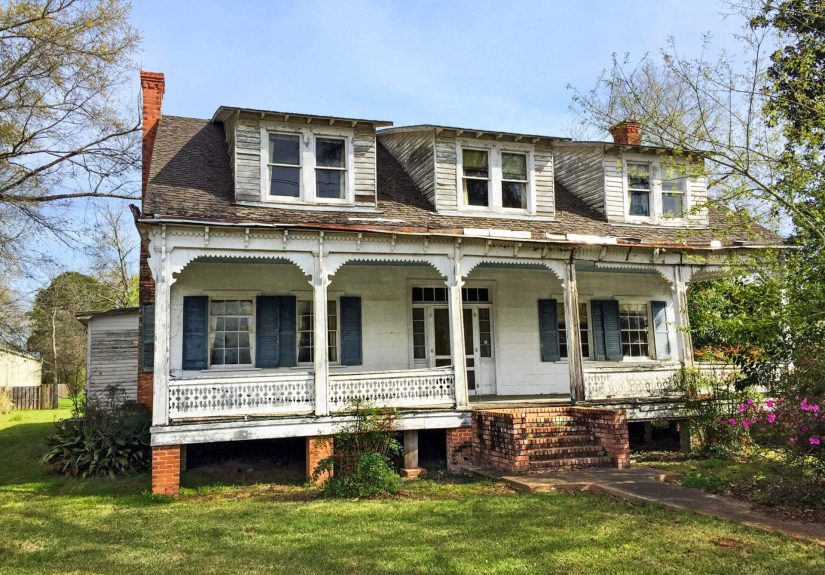
“Louisiana cottage” is a popular umbrella term for several cottage-sized home types found across the stateespecially in and around New Orleans and in Cajun and Creole regions. When people use the phrase today, they usually mean a compact, welcoming house with strong indoor-outdoor living: a front gallery (porch), tall windows/doors for airflow, and details that feel rooted in local tradition.
The most common “cousins” in the Louisiana cottage family include the Creole cottage, Acadian (Cajun) cottage, and the ever-famous shotgun house. Add in raised versions (often called Louisiana raised cottages) and you’ve got a whole lineup of homes designed to stay livable in a subtropical climatelong before “bioclimatic design” became a buzzword.
Where the Style Comes From: Creole, Acadian, Caribbean, and a Whole Lot of Weather
Louisiana’s cottage traditions reflect a blend of cultural influencesFrench, Caribbean, and French Canadian/Acadian among themfiltered through the realities of life near water. Historic accounts of the Creole cottage describe a compact urban house type in early 19th-century New Orleans with French planning ideas (notably, no interior hallway) and façades close to the street to preserve private yard space behind the home. The goal was efficiency, privacy where it mattered, and flexibility for city lots.
The Acadian cottage grew from the lives of Acadian settlers who arrived in Louisiana in the late 18th century. Their cottages are often described as two rooms wide, with a full-width front gallery and a rear cabinet/loggia range. In plain English: a simple plan, a porch that does heavy social lifting, and a back section that can handle storage, breezeways, or extra roomsbecause life comes with gear.
Meanwhile, the shotgun house became iconic for its narrow width and rooms arranged one behind another. It thrived as an affordable, high-density housing form in New Orleans and beyond. Scholars debate the exact origin story, but the shape spread widely because it was inexpensive, fit narrow lots, and could be adapted with features like transoms and tall openings for ventilation.
The Hallmark Features of a Louisiana Cottage
1) The Porch (a.k.a. the Social Engine)
If the kitchen is the heart of many American homes, the porch is the heartbeat of the Louisiana cottage. You’ll often see a front gallery that’s deep enough for real sittingrockers, café chairs, even a swingbecause this isn’t a decorative porch. It’s a daily-use room with a roof.
- Shade and comfort: the gallery helps keep sunlight off the façade and reduces heat gain.
- Rain management: deep overhangs protect doors and windows during heavy rain.
- Community: porches invite neighbors to wave, chat, and exchange local intelligence (like where the crawfish are best today).
2) Tall Openings, Shutters, and Cross-Breezes
Louisiana cottage design loves tall windows and doorsoften French doorsbecause air movement matters. Historically, opening everything up was the original “HVAC.” Add shutters, and you can control sun and storm exposure while still letting the house breathe.
3) Steep Roofs and Practical Geometry
Roofs in Louisiana cottage traditions often pitch steeply to shed heavy rain. In some cottage types, that steep roof also helps with insulation and, in certain variations, attic or half-story living spaces. It’s a reminder that “pretty” and “useful” are not enemiesespecially when thunderstorms show up like uninvited guests.
4) Raised Foundations (Because Water Has Opinions)
Many Louisiana cottages are raisedsometimes slightly, sometimes dramatically. Elevation improves airflow under the house and reduces flood risk. Historically, raising the main living level also helped with comfort in humid conditions. Today, it’s also about resilience: flood maps, base flood elevations, and not wanting your living room to become a surprise aquarium.
Creole Cottage vs. Acadian Cottage vs. Shotgun: A Quick, Useful Comparison
These styles overlap, evolve, and borrow from each other, but here’s a practical way to tell them apart when you’re strolling a neighborhood and pretending you’re “just looking” (while secretly Zillow-ing in your head).
- Creole cottage: often urban, set close to the street; commonly four openings on the façade; historically noted for French planning rules like the absence of an interior hallway. Many examples are associated with New Orleans’ early 1800s growth.
- Acadian (Cajun) cottage: typically two rooms wide with a full front gallery; often includes a rear cabinet/loggia range. Strong association with Acadian settlement patterns and rural/bayou settings.
- Shotgun house: narrow, rooms in a straight line; adapted for tight lots and affordability. Often appears in rows and can include variations like double shotguns or camelbacks.
Designing a Modern Louisiana Cottage Without Turning It Into a Theme Park
You can build or renovate in a Louisiana cottage spirit without doing a costume change on your property. The winning formula is simple: keep the climate-smart bones, respect proportions, and let modern comfort hide politely in the background.
Plan for Ventilation First, Not Last
Start with how air moves through the home. Prioritize operable windows, thoughtful door placement, and ceiling heights that don’t trap heat. If you’re renovating, restoring transoms (or adding them where appropriate) can preserve historic character while improving airflow.
Use Materials That Can Handle Humidity
Louisiana’s moisture isn’t subtle. Choose finishes and assemblies designed for hot-humid climates, especially if you have a raised floor or crawl space. Moisture management is not “extra credit”; it’s the class.
Make the Porch Earn Its Keep
Treat the porch like a true living area. Add lighting, fans rated for damp locations, and furniture that can take weather. A well-designed gallery makes a cottage feel bigger because it expands daily life outward.
Flood-Smart Cottage Choices: Elevation, Utilities, and Reality Checks
Flood risk is highly location-specific in Louisiana, so the smartest design begins with understanding local floodplain requirements and insurance implications. At a national level, FEMA terminology defines the Base Flood Elevation (BFE) as the elevation tied to the flood with a 1% annual chance of being equaled or exceeded. (You may hear this called the “100-year flood,” which is a probability term, not a scheduling promise.)
Practical Upgrades That Don’t Ruin the Look
- Elevate critical utilities: electrical panels, HVAC components, and appliances are less likely to be damaged if they’re above likely floodwater levels.
- Choose flood-tolerant lower areas: if you have a raised cottage, keep the space below designed for easy cleaning and limited damage.
- Prioritize drainage: gutters, grading, and downspout management matter more than most people want to admit.
Termites, Wood, and Other Louisiana Plot Twists
If you buy a Louisiana cottage and nobody mentions termites, consider that a red flaglike a restaurant menu that says “We don’t really do seasoning.” Louisiana is known for termite pressure, including Formosan subterranean termites in parts of the state, and moisture conditions can influence termite behavior and risk.
Cottage-friendly strategies include regular inspections, controlling moisture (fix leaks, improve drainage), keeping wood away from soil contact, and ensuring crawl spaces are properly managed. A charming raised cottage is greatuntil it becomes a five-star termite resort with complimentary cellulose.
Interior Style: How Louisiana Cottages Feel (and How to Get That Feel)
Inside a Louisiana cottage, the vibe is usually airy and practical, not precious. Think light bouncing off pale walls, wood floors that tell stories, and rooms that aren’t enormous but feel generous because they connect well.
Signature Interior Moves
- High ceilings and fans: comfort and visual breathing room.
- Natural textures: wood, woven materials, and simple trim details.
- Color with courage: Louisiana doesn’t fear pigment. Use it thoughtfullydoors, shutters, accent walls, or porch ceilings.
- Flexible rooms: cottages work best when spaces do double duty (guest + office, dining + game night, etc.).
Where You’ll See Louisiana Cottage Charm in the Wild
In New Orleans, Creole cottages are associated with historic areas like the French Quarter and nearby neighborhoods. You’ll spot single-story homes with steep roofs and porches that sit close to the streetbuilt for density, shade, and social life. Beyond New Orleans, cottage traditions show up across bayou towns and rural communities where galleries and raised floors make practical sense.
The key is not the zip codeit’s the logic. Wherever heat, humidity, and water shape daily life, the Louisiana cottage approach still works: shade the openings, invite airflow, plan for storms, and build a place where people actually want to sit and talk.
Renovation Tips: Keeping Character While Getting Modern Comfort
Renovating a Louisiana cottage is a balancing act: preserve what makes it lovable, upgrade what makes it livable, and avoid “improvements” that accidentally erase the whole point.
Do This
- Respect proportions: keep window and door sizes in harmony with the façade.
- Upgrade systems quietly: modern insulation, HVAC, and wiring can be installed without turning the interior into a tech showroom.
- Preserve original wood where possible: floors, trim, and beams carry the cottage’s story.
- Repair before replacing: historic materials often outperform new ones when maintained correctly.
Maybe Don’t Do This
- Seal the house airtight without a moisture plan: in hot-humid climates, bad moisture strategy equals mold regret.
- Delete the porch: that’s like buying a bicycle and removing the wheels because they “stick out.”
- Ignore elevation realities: if you’re in a flood-prone area, design choices must match risk.
Conclusion
A Louisiana cottage isn’t just a cute exterior and a porch photo for your social feed (though it is extremely photogenic). It’s a smart, culture-rich response to climate, community, and daily lifebuilt around shade, airflow, and spaces that encourage people to slow down. Whether you’re restoring a historic Creole cottage, admiring an Acadian gallery house, or borrowing the cottage playbook for a modern build, the best results come from respecting what Louisiana already learned the hard way: plan for heat, plan for water, and always make room to sit.
Bonus: of Louisiana Cottage Experiences (the “You Had to Be There” Edition)
Picture this: it’s late afternoon, and the air outside is warm in that unmistakably Gulf Coast waylike the weather is giving you a friendly, slightly sweaty hug. You step onto the gallery of a Louisiana cottage and realize the porch isn’t just an accessory; it’s the entire social calendar in wood form. A ceiling fan turns overhead, not in a dramatic wind-tunnel way, but with the steady confidence of something that has seen July and lived to tell the tale. Someone waves from down the block. You wave back, because that’s what porches do: they turn strangers into neighbors at a pace that feels natural, not forced.
Inside, the cottage feels coolernot “ski lodge cool,” but comfortable, like the house understands your expectations and doesn’t want to disappoint you. Tall doors and windows make the rooms feel bigger than the square footage suggests. Light moves across the floorboards in long stripes, and you start to notice the small things that make cottages memorable: the soft click of shutters, the way transoms and high ceilings keep air moving, the faint scent of wood and old paint that somehow reads as “home” instead of “museum.”
Then the weather does what Louisiana weather does: it changes its mind mid-sentence. A sudden rain rolls in, loud on the roof, dramatic on the street, and somehow relaxing when you’re under that deep overhang. The porch becomes the best seat in the house. You can watch the whole show without getting soaked, and the world feels slightly slowerlike the rain negotiated a temporary ceasefire with everyone’s to-do list. Conversations get longer. Iced drinks last longer. Someone starts telling a story that begins with “You’re not gonna believe this…” and ends with everyone laughing like they’ve known each other forever.
In the evening, the cottage shifts again. Lights come onwarm, not harshand the porch turns into an outdoor living room. You might smell dinner drifting from a kitchen where the cooking is less “recipe” and more “tradition with improvisation.” Maybe it’s red beans and rice, maybe jambalaya, maybe something that involves a pot large enough to qualify as community infrastructure. The cottage doesn’t just hold people; it hosts them, casually, like it was designed for exactly this: food, stories, and the kind of hospitality that’s confident enough not to show off.
And if you’re lucky, you’ll notice the deeper lesson a Louisiana cottage offers without lecturing you: comfort is not only about what’s indoors. It’s about shaded thresholds, breezy transitions, and places where you can pausewatching the street, listening to rain, feeling the evening settle. A good cottage makes “staying in” feel like an event, and it makes “stepping outside” feel like coming home.