Table of Contents >> Show >> Hide
- The Setup: Why an 1899 Brooklyn Brownstone Is the Ultimate Drama Queen
- The Plot Twist: A Rising Designer Treats the Home Like a Three-Act Play
- Act I: The Parlor-Floor Glow-Up (Where History Gets the Best Lighting)
- Act II: The Second Floor Softens the Script (And Quietly Steals the Show)
- Act III: The Third Floor Goes Off-Script (In a Good Way)
- The Supporting Cast: Salvage, Paint, and the Art of Not Over-Designing
- The Unsexy Reality: Budgets, Timelines, Permits, and the “What’s Behind That Wall?” Lottery
- The Sustainability Twist: Old Houses Can Learn New Tricks
- What This Brownstone Teaches Us About “Restaging” (Not Just Renovating)
- Conclusion: The Best Plot Twists Feel Inevitable in Hindsight
- Bonus: of Brownstone “Plot Twist” Experience (What It Actually Feels Like)
Brooklyn brownstones have a certain kind of confidence: the stoop says “I’ve seen things,” the parlor windows say “I’ve hosted better conversations than your group chat,” and the original moldings say “please don’t paint me with leftover landlord beige.” So when a rising interior designer takes an 1899 Brooklyn brownstone and “re-stages” it, you expect the usual script: restore the historical details, add a modern kitchen, call it a day.
This house didn’t get that memo. Instead, it got a plot twistone that plays out floor by floor like a three-act show. The result is a historic townhouse that starts with classic Brooklyn charm and gradually slips into something fresher, stranger, softer, and (in the best way) a little theatrical.
Welcome to a Windsor Terrace brownstone where the design doesn’t just “flow”it changes costumes as you climb the stairs.
The Setup: Why an 1899 Brooklyn Brownstone Is the Ultimate Drama Queen
If you’ve ever toured a Brooklyn brownstone, you know the vibe: tall ceilings, narrow footprint, stacked rooms, and a staircase that doubles as a cardio program. Many late-19th-century rowhouses were built with formal “parlor” spaces up front (hello, fancy guests) and more practical spaces in the rear (hello, real life). That inherent hierarchy makes brownstones perfect for storytellingbecause they already come with built-in “scenes.”
But here’s the part most glossy “Brooklyn brownstone renovation” headlines skip: these homes have baggage. Not emotional baggage (though, sure), but structural and logistical baggageold systems, patched-over changes, surprise quirks, and decades of “creative” decisions. The smartest renovations respect the bones while rewriting the awkward parts of the floor plan so the house works for modern family life.
In other words: a brownstone isn’t just decorated. It’s edited.
The Plot Twist: A Rising Designer Treats the Home Like a Three-Act Play
The designer behind this restaging (Nick Spain, of the design studio Arthur’s) approached the brownstone with a concept that’s oddly rare in residential design: a clear narrative. Instead of forcing the entire house to match one aesthetic mood board, he leaned into contrastletting each level feel like a new act.
The guiding idea is simple and smart: keep the most traditional language on the first floor, loosen the tie on the second, and let the third floor be the fun, slightly unexpected finale. The house doesn’t abandon its historyit uses it as the opening scene.
Why this approach works (and why it’s secretly very Brooklyn)
Brooklyn is a patchwork of eras and stylesbrownstones next to modern infill, old storefronts next to new cafés, antique stoops next to brand-new railings. A home that evolves by floor is basically the neighborhood in miniature. It’s also a practical strategy: you can prioritize restoration and investment where the architectural details are strongest, then use freer design moves in spaces that were historically more private.
Act I: The Parlor-Floor Glow-Up (Where History Gets the Best Lighting)
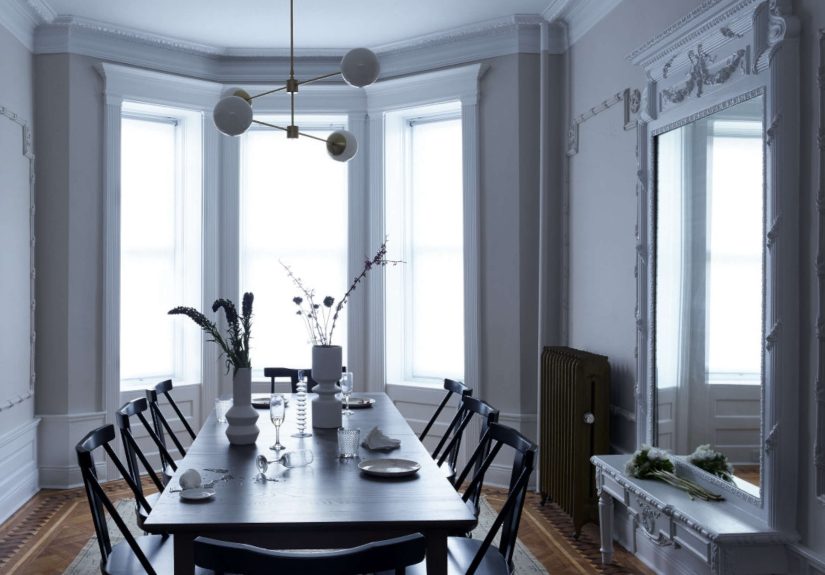
The first floor is where the brownstone shows off. In many historic Brooklyn townhouses, this is the realm of dramatic moldings, high ceilings, and fireplaces that have survived more trends than TikTok ever will. This restaging keeps the “bones” front and centerespecially in the entry and main roomswhile using paint, texture, and furniture placement to make the old details feel intentional rather than museum-y.
A hallway that refuses to be just a hallway
One of the most satisfying moves in this house is treating the hallway as a destination, not a pass-through. Instead of rushing you toward the “real rooms,” it slows you down with layered architectural trim and a soft, warm neutral paint. Think of it as the opening monologue: classic, confident, and setting the tone.
Color as restoration’s best wingman
Restoration isn’t always about returning things to “original.” Sometimes it’s about choosing a backdrop that makes the existing craftsmanship look sharper. A light, nuanced paint on trim and walls can amplify shadows in carved details, highlight picture-frame moldings, and make old plaster look crisp without feeling stark.
Styling that feels collected, not staged
The furniture and objects on the first floor favor a “collected” lookvintage pieces, estate-sale finds, and modern staples mixed together so the space feels lived-in, not showroom-perfect. That matters in a brownstone: when everything is too new, the old details can feel like they’re wearing someone else’s outfit.
Here, the design reads as a conversation between eras. The brownstone doesn’t get drowned out; it gets a smarter co-star.
Act II: The Second Floor Softens the Script (And Quietly Steals the Show)
If the first floor is the formal introduction, the second floor is where the house starts to exhale. This is often the “private” level in a single-family brownstone conversion: primary bedroom, bathroom, maybe a guest room or office. The design language becomes calmer, more tonal, and more about comfort than performance.
The power of tone-on-tone (aka: calm that doesn’t feel boring)
The primary suite leans into a monochromatic palettesoft grays and neutrals that feel intentionally hushed. In a city house, that restraint is a flex. It’s a reminder that good interior design isn’t always “more.” Sometimes it’s “less, but better.”
Modern function, old-house reality
Brownstones weren’t built with contemporary routines in mindespecially not the modern obsession with storage, lighting control, and bathrooms that don’t feel like a haunted ship. On this level, the updates read as practical: better layout decisions, smarter finishes, and a mix of new and vintage elements that keep the mood warm instead of sterile.
A small bath with big personality
Powder rooms and half baths are where designers often get bravebecause the square footage is small and the impact is huge. A playful wallpaper, a slightly unexpected mirror, and a few sharp accessories can turn an overlooked corner into a “wait, can we talk about this bathroom?” moment. It’s a classic brownstone trick: use the tight spaces for the loud decisions, and keep the larger rooms emotionally readable.
Act III: The Third Floor Goes Off-Script (In a Good Way)
Climb to the top floor and the vibe changes again. Traditionally, upper floors in historic rowhouses were simplerless ornament, more utility. That makes them the perfect canvas for contemporary shapes, brighter color, and a more playful approach. In this home, the third floor is where the designer stops whispering and starts winking.
Kids’ rooms that feel like childhood, not a catalog
A lot of “kid-friendly design” is secretly adult design wearing sneakers. Here, the palette gets happier, the choices get bolder, and the spaces feel like they were built for actual small humans with opinions. Pink tones, soft pastels, and cheerful accents turn bedrooms into spaces that can grow without getting stuck in a theme.
Bathrooms that lean into color without going full circus
Color in a bathroom can be a gamble in a resale-obsessed worldbut in a historic Brooklyn brownstone, a little color is practically historically accurate. The key is balance: keep the fixtures classic, choose a palette that feels fresh but not trendy, and let one or two elements (tile, paint, or wallpaper) do the talking.
The “modern” part of modern-traditional
The third-floor shift isn’t random; it’s the payoff. By the time you reach the top, you’ve absorbed the brownstone’s traditional language. Now the house earns the right to bend itintroducing cleaner lines, more fluid shapes, and materials that feel less formal. The design becomes lighter and freer, without losing the thread.
The Supporting Cast: Salvage, Paint, and the Art of Not Over-Designing
The best brownstone restaging jobs don’t rely on one hero item (the massive range! the dramatic chandelier! the “statement” staircase that already existed!). They win through a hundred small, smart decisions.
Salvage is sustainability with charisma
Architectural salvage isn’t just aestheticit’s also a pragmatic way to keep a renovation grounded. A reclaimed mirror, a vintage light, or a pre-loved cabinet can add instant depth in a house that’s already 100+ years old. It also keeps the space from feeling like it was assembled in one weekend with overnight shipping and panic.
Paint that respects plaster and woodwork
Old houses love complicated neutrals. A nuanced off-white or soft gray can play nicely with stained glass, warm wood tones, and the shifting daylight that Brooklyn gets depending on your tree coverage and your neighbor’s renovation scaffolding. Think of paint as the house’s “skin tone”you want it flattering, not flashy.
Let the original details breathe
One of the most common brownstone mistakes is trying to compete with the architecture. If a room already has bold moldings, carved fireplaces, and tall windows, it doesn’t need a furniture circus. It needs editing, spacing, and a few strong pieces that read clearly from the doorway. That’s how historic details feel elevated rather than crowded.
The Unsexy Reality: Budgets, Timelines, Permits, and the “What’s Behind That Wall?” Lottery
Every dreamy “Brooklyn brownstone renovation” is held together by a less glamorous trio: planning, money, and the occasional deep breath into a paper bag.
Team-building is not optional
Successful brownstone projects are rarely DIY hero stories. They’re collaboration stories. You need the right mix of contractor, architect (when layouts or structure change), and specialists (masonry, mechanical, window restoration, and sometimes a therapistkidding… mostly).
Contingency funds: the adult version of “just in case”
Older homes hide surprises. Some are charming (original tile!). Some are not (mystery plumbing!). A realistic contingency bufferoften 10–20% depending on scopekeeps a renovation from turning into a financial jump scare.
Phasing can be a strategy, not a compromise
Not every brownstone gets a full gut renovation in one sweeping, cinematic montage. Many projects move in phases: stabilize and restage first, then tackle major upgrades (like a kitchen overhaul) later. Done well, phasing allows homeowners to live in the space, learn what they actually need, and invest where it will matter most.
The Sustainability Twist: Old Houses Can Learn New Tricks
Brownstones weren’t designed for today’s energy expectations. But historic homes can be made significantly more comfortable and efficient without sacrificing their characterif you approach upgrades with care.
Start with information, not guesswork
Before you chase the latest “smart home” gadget, start with the basics: understand where the house loses heat, where drafts come from, and what systems are doing the heavy lifting. An energy audit can identify practical improvements that actually move the needle.
Windows: restore when you can, replace when you must
Historic windows are often more repairable than people assume, and performance upgrades can come from weatherstripping, repair, and properly designed storm windows. When replacement is unavoidable, the goal is to replicate historic proportions and detailing as closely as possibleespecially in landmarked or historically sensitive contexts.
Passive House inspiration (even if you don’t go all the way)
The Passive House approachairtightness, continuous insulation, minimized thermal bridging, high-performance windows, and balanced ventilationhas become a major reference point for deep retrofits in Brooklyn townhouses. You don’t have to chase certification to benefit from the mindset. Even selective upgrades (air sealing, better insulation at roof lines, smarter ventilation) can make a brownstone feel quieter, less drafty, and more stable year-round.
What This Brownstone Teaches Us About “Restaging” (Not Just Renovating)
“Restaging” is a useful word here because it implies something beyond construction. Renovation fixes the house. Restaging reinterprets ithonoring the architecture while changing how the home behaves and how it feels.
1) Let the house keep its accent
Your brownstone doesn’t need to pretend it’s a glass box in the desert. Keep the stoop, the moldings, the proportionsthe elements that make it a Brooklyn brownstone in the first place.
2) Create a narrative, not a mood board pile-up
The genius of this project is the floor-by-floor storytelling. It’s cohesive without being monotonous. That’s hard to do, and it’s why the house feels fresh rather than “theme-y.”
3) Spend where the eye and the body spend time
Restore the entry and main rooms where details shine. Invest in comfort in bedrooms. Get playful in small spaces. And don’t be ashamed to phase big-ticket areas like kitchens if the timing is right.
4) Make sustainability part of the script
Historic preservation and energy performance aren’t enemies. With good planning, you can keep the character of a 19th-century home while upgrading comfort, durability, and long-term operating costs.
Conclusion: The Best Plot Twists Feel Inevitable in Hindsight
The most satisfying design projects aren’t the ones that scream “new.” They’re the ones that make you believe the house has always been heading in this direction. In this 1899 Brooklyn brownstone, the plot twist isn’t a gimmickit’s a strategy. Traditional grandeur on the lower level sets the foundation, calm tonal comfort takes over upstairs, and the top floor gets the playful freedom it deserves.
In other words: it’s not just a Brooklyn brownstone renovation. It’s a well-paced story with great lighting, strong character development, and zero filler episodes.
Bonus: of Brownstone “Plot Twist” Experience (What It Actually Feels Like)
If you’ve never lived through (or even closely witnessed) a brownstone restaging, here’s the truth: it’s equal parts romance and logistics. You fall in love with the original detailsthen you learn the original details have opinions. Strong opinions. The staircase creaks like it’s narrating your life choices, the plaster walls behave like they’re auditioning for a period drama, and the basement smells like a mystery novel.
The first “experience” most homeowners report is decision fatigue. A historic townhouse asks you hundreds of questions that a newer home never bothers with. Do you restore the window sash or replace it? What kind of trim profile matches what’s already there? Is that crown molding salvageable, or is it held together by hope and the paint layers of three decades? Even paint becomes an existential choice because old light plus old plaster plus tree-filtered Brooklyn sun equals “surprise undertones” you didn’t know existed.
Then there’s the physical sensation of time. Brownstone renovations don’t move in a straight line; they move in plot beats. You’ll have days where everything clicksdemo is done, framing is clean, and you feel like you’re finally seeing the house’s future. Then you’ll have days where one small discovery (a weird pipe route, a questionable patch, an unplanned structural quirk) sends the entire schedule into a thoughtful pause. The trick is not taking it personally. The house is not attacking you; it’s just revealing its backstory.
If you’re phasing the workrestaging first, bigger upgrades lateryou’ll also experience a fascinating psychological shift: you stop designing for “someday” and start designing for “Tuesday.” You realize which rooms need to feel calm because you’re actually going to sleep there. You learn that a perfectly styled living room is less important than a mudroom zone that prevents your entryway from becoming a shoe-based science experiment. You discover that lighting is not an accessoryit’s a survival tool in a multi-story home where natural light changes by room and hour.
The best experience-related lesson is this: don’t fight the brownstone’s personalitydirect it. Treat your home like a story with chapters. Let the parlor floor keep its grandeur. Make the bedroom level restorative. Give the upper floors permission to be lighter and more playful. When you do that, the house stops feeling like a renovation project and starts feeling like a place that knows who it isjust updated enough to keep up with your life.
And finally, the most underrated brownstone experience: the moment you realize you can’t remember how it looked “before.” The restaging doesn’t just change rooms; it changes habits. You take the stairs without noticing. You stop bracing for drafts. You host friends and watch them slow down in the hallway because the house has presence. That’s the real plot twist: you didn’t just fix a building. You rewrote how you live inside it.