Table of Contents >> Show >> Hide
- Quick Snapshot: Radiesse vs. Restylane
- What Are These Fillers Made Of?
- FDA-Approved Uses: Where They’re Commonly Used
- How They Look and Feel: “Structure” vs. “Softness”
- Longevity: How Long Do Radiesse and Restylane Last?
- The Safety Difference People Care About Most: Can It Be Reversed?
- Side Effects and Risks: What’s Normal, What’s Not
- Cost Comparison: Radiesse vs. Restylane in the U.S.
- Which Filler Is “Better” for Specific Goals?
- Choosing Between Them: The Consultation Checklist
- Real-World Experiences (About ): What Patients Commonly Notice
- The appointment day: “That was… faster than I thought?”
- Immediate results: Restylane looks plush; Radiesse looks structured
- The first 72 hours: swelling has opinions
- Days 4–14: the “settling” phase
- Peace-of-mind differences: the dissolving safety net
- Longer-term experience: maintenance, not miracles
- Bottom Line
- References (Editorial Use)
Dermal fillers are basically the grown-up version of “I woke up like this,” except you actually had an appointment, signed forms, and probably Googled “how long will I look puffy?” at 1 a.m. If you’re comparing Radiesse and Restylane, you’re already doing the smart thing: these two injectables can both refresh a face, but they do it with very different “personalities.”
This guide breaks down how Radiesse vs. Restylane compare in ingredients, results, best treatment areas, longevity, safety, and typical costsplus the real-world experience (a.k.a. what your mirror might say over the next 7–14 days).
Quick Snapshot: Radiesse vs. Restylane
- Radiesse: Calcium hydroxylapatite (CaHA) microspheres in a gel carrier. Adds structure and can stimulate collagen over time.
- Restylane: A family of hyaluronic acid (HA) fillers. Great for flexible, “plush” volume and can be dissolved with hyaluronidase if needed.
- Big deciding factor: Want reversibility and lots of product options for different facial zones? Restylane often wins. Want more structural lift and a biostimulatory “scaffold” effect? Radiesse shines.
What Are These Fillers Made Of?
Radiesse: Calcium Hydroxylapatite (CaHA)
Radiesse is made of calcium hydroxylapatite microspheres suspended in a gel. Calcium hydroxylapatite is a substance related to the mineral content found naturally in bonesso yes, the filler is basically saying, “I come from a distinguished skeleton.” In practice, Radiesse is considered a thicker, more structural filler that’s often used for deeper folds and contouring.
A key point: Radiesse can provide immediate volume from the gel and then may contribute to collagen stimulation over time as the body responds to the microspheres (think: your skin building its own support beams). This “biostimulatory” reputation is why many injectors view it as part filler, part long-game strategy.
Restylane: Hyaluronic Acid (HA)
Restylane is a well-known hyaluronic acid dermal filler brand family. HA is naturally present in the skin and helps bind water, contributing to hydration and volume. In fillers, HA is cross-linked into a gel so it lasts longer in tissue than your body’s natural HA would.
The Restylane lineup includes multiple formulations designed for different goalslike smoothing moderate-to-deep folds, adding lip volume, or restoring cheek contour. Translation: Restylane is less of a single product and more of a toolkit.
FDA-Approved Uses: Where They’re Commonly Used
Radiesse typical uses
Radiesse is FDA-cleared for correcting moderate-to-severe facial wrinkles and folds (like nasolabial folds), and it also has an FDA indication for hand augmentation to address volume loss on the back of the hands. In real-world clinics, it’s frequently chosen for structural support and contouringthink lower face definition, deeper creases, and hands that are tired of being betrayed by overhead lighting.
Restylane typical uses
Restylane products are FDA-approved across multiple facial indications depending on the specific formulation. For example, some versions are indicated for nasolabial folds (the lines that run from the nose to the corners of the mouth), while others are indicated for lip augmentation in adults, and still others for deeper facial wrinkles and folds. Practically speaking, Restylane is commonly used for areas where you want a soft, flexible result: lips, smile lines, and certain midface enhancements, depending on the exact product chosen.
How They Look and Feel: “Structure” vs. “Softness”
Radiesse results
If your goal is sculptingmore definition through the jawline, support for deeper folds, or restoring volume in the handsRadiesse is often selected because it tends to behave like a supportive framework. Many patients describe Radiesse results as “lifted” or “snatched but not obvious,” assuming the injector didn’t get carried away and start building cheekbones with the enthusiasm of a marble sculptor.
Restylane results
Restylane is usually associated with a softer, more hydrated look. Because HA holds water, many people notice a “plump” effect that can look very natural when placed well. Some Restylane products are designed for movement and expression, which can be important around the mouth. For lips, Restylane formulations are popular because they can deliver volume without making your lip line look like it’s wearing a flotation device.
Longevity: How Long Do Radiesse and Restylane Last?
Longevity varies based on product selection, injection depth, metabolism, area treated, and how animated your face is (some people talk with their entire soul). But general patterns are helpful:
Radiesse longevity
Radiesse is often described as lasting around a year and frequently 12–18 months in many patients, depending on the area treated and how much product is used. Because it’s a more structural filler and associated with collagen stimulation, patients sometimes feel it “holds its own” longer than many HA fillers in certain areas.
Restylane longevity
Many HA fillersincluding Restylane formulationsoften last around 6–12 months, with some applications approaching a year or longer depending on the specific product and placement. Lips may fade faster than cheeks, and delicate “high-movement” zones typically don’t keep filler as long as deeper, more stable areas.
The Safety Difference People Care About Most: Can It Be Reversed?
Restylane can be dissolved
One major advantage of HA fillers like Restylane is that they are generally reversible. If you don’t like the result, or if there’s a complication that requires urgent management, a trained medical provider can inject hyaluronidase to break down the HA. That doesn’t mean “no risk,” but it can provide an additional safety lever when appropriate.
Radiesse is not dissolved with hyaluronidase
Radiesse is not a hyaluronic acid filler, so hyaluronidase doesn’t “erase” it the way it can with HA. This doesn’t make Radiesse unsafebut it does raise the stakes on choosing the right injector and using the right technique, product amount, and placement.
Side Effects and Risks: What’s Normal, What’s Not
Both Radiesse and Restylane share common “normal” side effects: swelling, redness, tenderness, bruising, and temporary lumps at injection sites. Most of these calm down over days to a couple of weeks.
Rare but serious complications (for both)
The complication that gets the most attentionbecause it’s seriousis vascular occlusion, when filler blocks blood flow. This can lead to skin injury, scarring, and in rare cases severe outcomes (including visual complications) depending on the area and circumstances. Expert organizations emphasize that injector training, facial anatomy knowledge, and complication readiness are essential parts of safe filler treatment.
Practical safety tips (the kind that actually matter)
- Pick the right provider: Look for board-certified dermatology, plastic surgery, facial plastics, or similarly qualified medical injectors with extensive filler experience.
- Ask what product is being used and why: “Restylane” isn’t one gelthere are multiple formulations with different behaviors.
- Ask about emergency protocols: A responsible clinic should be able to discuss how they recognize and manage vascular complications.
- Avoid DIY devices: At-home injection tools are not a safe substitute for medical treatment.
- Disclose allergies/medical history: Especially if you have a history of severe allergies, autoimmune issues, or you’re prone to keloids or abnormal scarring.
Cost Comparison: Radiesse vs. Restylane in the U.S.
Pricing depends on where you live, the injector’s credentials, how many syringes you need, and whether you’re combining treatments. In many U.S. markets, dermal fillers often fall in a ballpark of several hundred to over a thousand dollars per syringe. Structural areas (like cheeks and jawline) may require more product than a small fold correction, and hands can also require multiple syringes for balanced coverage.
Here’s the more useful way to think about cost: total plan cost over time. If a filler lasts longer in your target area, it might reduce how often you return for maintenance. But if you’re a first-timer and you value reversibility, paying for an HA option may feel like buying peace of mind.
Which Filler Is “Better” for Specific Goals?
There’s no universal winneronly a better match for your anatomy, goals, and risk tolerance.
Restylane may be a strong choice if you want:
- Lip enhancement with a soft, natural feel (product selection matters here).
- Reversibility as an option via hyaluronidase.
- Fine-tuned customization using different Restylane formulations for different facial zones.
- Subtle refinement where flexibility and movement are important (around the mouth).
Radiesse may be a strong choice if you want:
- Structural support for deeper folds or contouring (like portions of the lower face).
- Hand rejuvenation to reduce the look of tendons and veins by restoring volume.
- A longer-lasting “framework” effect in appropriate areas.
- A collagen-stimulating approach as part of an overall skin-aging strategy.
Choosing Between Them: The Consultation Checklist
A good consultation should feel less like ordering off a menu and more like building a plan. Consider asking:
- What problem are we solvingvolume loss, contour, lines, or skin quality?
- Which specific product (and formulation) are you recommending, and why?
- How many syringes do you anticipate, and what’s the total expected cost?
- What are the most common side effects in this areaand what’s the rare worst case?
- If something goes wrong, what’s your protocol and timeline for intervention?
Real-World Experiences (About ): What Patients Commonly Notice
Let’s talk about the part no brochure truly nails: the lived experience of getting Radiesse vs. Restylane. Everyone’s body is different, but there are patterns that show up again and again in patient feedback.
The appointment day: “That was… faster than I thought?”
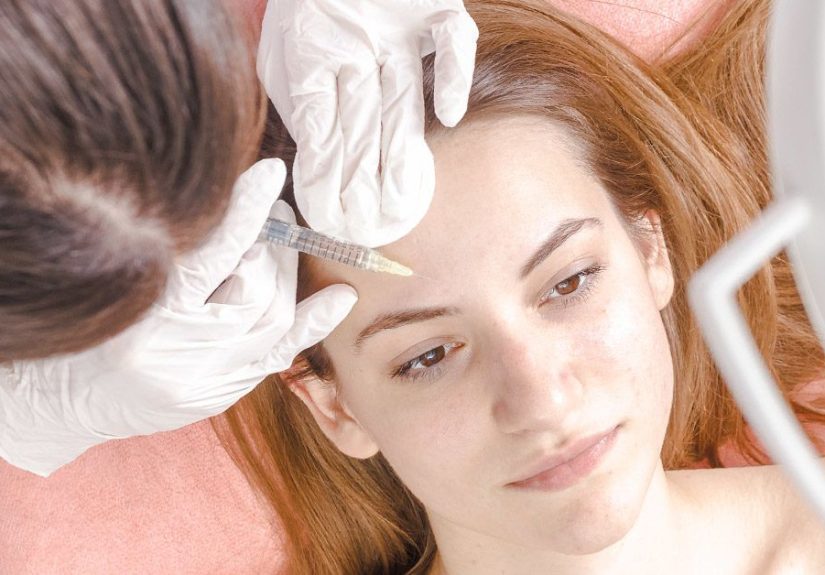
Most filler visits are surprisingly quick. Many clinics use topical numbing cream, ice, and/or fillers that include lidocaine. You’ll usually feel a pinch, pressure, and occasional stingmore “annoying” than “dramatic,” unless you’re treating a sensitive area. Expect your provider to pause, assess symmetry, and adjust placement. The best injectors are a little obsessive (in a good way).
Immediate results: Restylane looks plush; Radiesse looks structured
With Restylane (HA), people often notice instant softness and plumpnessespecially in lips and smile lines. Some describe it as looking like you finally drank water, slept eight hours, and stopped squinting at your phone (even if none of those things happened).
With Radiesse, immediate changes can look slightly more “lifted” or “defined,” particularly in areas that benefit from structure. Some patients say Radiesse feels a touch firmer at first, then settles into a more natural feel as swelling resolves and tissue integrates.
The first 72 hours: swelling has opinions
Swelling peaks early. You might look perfect in the clinic and then wonder at home why your face is auditioning for a role as “slightly puffy version of you.” Bruising is commonespecially if you’re prone to it, you’re on certain supplements/meds, or the treated area has lots of vessels. Lips can swell more than other areas; hands may look “full” for a few days. This is why many experienced patients schedule filler at least a couple of weeks before a major event.
Days 4–14: the “settling” phase
This is where most people start liking what they see. Texture improves, bruises fade, and any small lumps typically soften. With HA, the result often becomes more natural as water balance stabilizes. With Radiesse, many patients report that definition becomes more refined and less “new filler noticeable.”
Peace-of-mind differences: the dissolving safety net
First-timers often say the biggest psychological difference is reversibility. Knowing that Restylane can be dissolved (when medically appropriate and performed by a qualified provider) can reduce anxietyespecially for lips, where “too much” can feel obvious. With Radiesse, patients commonly describe being more deliberate about choosing an injector and starting conservatively, because the product can’t simply be melted away with hyaluronidase.
Longer-term experience: maintenance, not miracles
Over months, most people don’t “see filler disappearing” so much as they notice their pre-treatment features slowly returninglike a screen dimming instead of turning off. Restylane often requires maintenance sooner in higher-movement areas. Radiesse users frequently report longer intervals between touch-ups in certain structural zones. The happiest long-term patients treat fillers like a maintenance plan, not a one-time transformation.
Bottom Line
The best comparison of Radiesse vs. Restylane isn’t “which is better?” but “which is better for youin this area, for this goal, with this injector?” Restylane offers a versatile HA toolbox with reversibility and excellent options for lips and soft contour. Radiesse offers structure and a collagen-stimulating approach that can be especially appealing for deeper support and hand rejuvenation.
If you’re stuck, the safest next step isn’t another hour of scrollingit’s a consultation with a highly qualified medical injector who can match product choice to anatomy, goals, and risk profile.
References (Editorial Use)
- U.S. FDA device labeling: RADIESSE (P050052 / related labeling) and Restylane approvals/IFUs.
- Cleveland Clinic patient education on dermal filler types and typical duration.
- American Society of Plastic Surgeons (ASPS) educational content on filler longevity.
- American Society for Dermatologic Surgery (ASDS) evidence-based recommendations on preventing and treating adverse events of injectable fillers.
- Peer-reviewed medical literature on CaHA and HA fillers (mechanism and safety considerations).
- Galderma Restylane U.S. instructions for use documents.
- Radiesse professional mechanism-of-action information.