Table of Contents >> Show >> Hide
- Quick Snapshot: What (and Where) Was Machiavelli?
- The Setup: Upstairs Deli Energy, Downstairs Dining Room Calm
- What to Order: A Menu That Understood Comfort (and Didn’t Over-Explain It)
- The Machiavellian Playbook: How to Eat Well in Covent Garden
- If You’re Looking for Machiavelli Today: What Happened (and What to Do Instead)
- A Practical Mini-Itinerary: Recreating the “Machiavelli Night” in 2026
- Conclusion: A Covent Garden Memory Worth Keeping
- Extra: of Restaurant-Visit Moments (Because London Dining Is a Sport)
Covent Garden is the kind of neighborhood that can make you feel like you’ve wandered into a food theme park with
excellent lighting and questionable decision-making. It’s loud. It’s crowded. It’s full of pre-theater energy that
says, “We have 47 minutes before the curtainbring us carbs and forgiveness.”
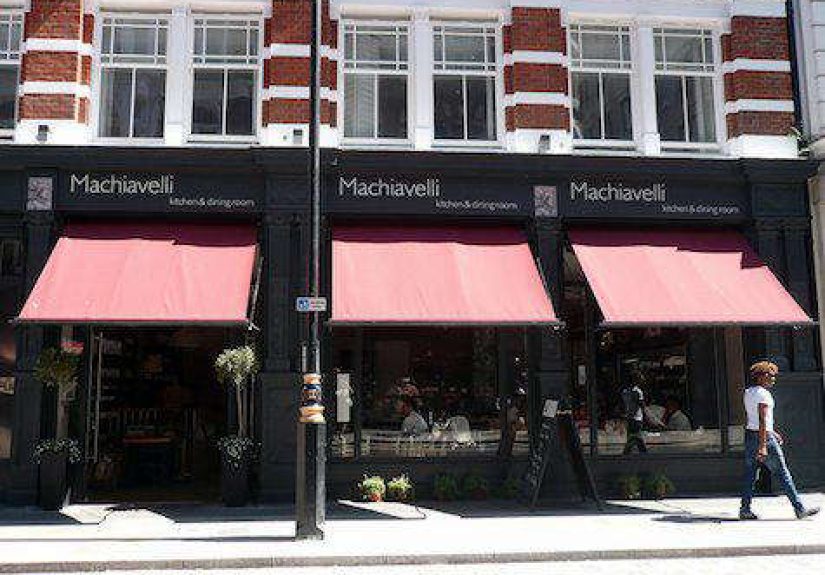
And thendown a set of stairs, away from the street-level chaosthere used to be a place called Machiavelli.
A basement Italian dining room tucked at 69 Long Acre that felt like a calm little trapdoor out of tourist turbulence.
Not a secret exactly, but definitely a “how is this not packed with a line of influencers holding tiny handbags?”
kind of find.
This is a story about visiting Machiavelli in Londonwhat it was like, what made it click, what to order (in the era
when you could), and how to recreate the vibe in Covent Garden today, now that this address has moved on to other
restaurant chapters.
Quick Snapshot: What (and Where) Was Machiavelli?
Machiavelli was an Italian cafe-and-restaurant hybrid on Long Acre, a couple minutes from Covent Garden Tube.
Upstairs leaned deli: a daytime stop for coffee, pantry goods, and the “I’ll just grab something small” lie we tell
ourselves before pastries happen. Downstairs was the main event: a dining room that felt more bistro than big-box,
the kind of place where you could actually hear your companion’s hot take about Shakespeare (or your own).
The name, of course, came with built-in mischief. Niccolò Machiavelli wrote The Prince, a guide to power that has been
misunderstood by executives and first-year political science students for centuries. The restaurant didn’t serve
“scheming” as a side dish, but it did deliver something arguably more useful: a refuge from Covent Garden’s edible
roulette.
One important update for modern-day planners: listings and public records indicate Machiavelli at this address is
no longer operating under that name. In other words, you can’t exactly book a table there todaybut you can still
learn from what it did well and use those lessons to eat smarter in the West End.
The Setup: Upstairs Deli Energy, Downstairs Dining Room Calm
Upstairs: The “Just a Coffee” Gateway (Famous Last Words)
Machiavelli’s street-level personality was the friendly lure: a delicatessen feel, curated shelves, and that
tidy-label charm that makes you believe you’re a better adult than you are. You could pop in for espresso and end
up clutching imported treats like you’d just won a tiny, delicious lottery.
That upstairs/downstairs split was clever. It gave the place two moods: daytime casual and evening sit-downlike a
restaurant with a wardrobe change.
Downstairs: The Basement That Felt Like a Discovery
Down below, the dining room did the opposite of Covent Garden’s usual performance. It lowered the volume. It softened
the pace. Think simple bistro furniture, long tables, and an atmosphere that said, “Relaxyour meal isn’t being timed
by a Broadway stage manager.”
If the street outside was a parade, downstairs felt like stepping into a side room where the actual interesting
conversation happens. The kind of room where you order a second glass of wine because you suddenly remember you
have hobbies.
What to Order: A Menu That Understood Comfort (and Didn’t Over-Explain It)
Machiavelli’s best moments were built around a simple idea: Italian food can be direct, but it should never be dull.
The classics work when ingredients are treated like they matter. And when they do, even the most familiar dish can
feel like a small victory.
Start Strong: The Soup That Made “Tuscan Bean” Feel Like a Compliment
One of the most memorable starters was a Tuscan-style bean souphearty, aromatic, and cleanly flavored, the kind of
bowl that makes you wonder why you ever accepted a watery “vegetable medley” anywhere else. It hit that sweet spot
between rustic and refined: satisfying without being heavy-handed.
If you’ve ever dismissed bean soup as “something you eat when you’re being punished,” this was the counterargument.
Beans can be luxurious when they’re handled properlylike a cashmere sweater, but edible.
Raw and Right: Tuna Tartare That Didn’t Need a Circus
Machiavelli also leaned into lighter, fresher starters, including tuna tartare with bright, cooling accents. The best
tartare isn’t about showing off; it’s about balanceclean fish, a bit of creaminess, and enough herbal lift to keep
things from feeling flat.
In a neighborhood where “starter” sometimes means “a plate of beige regrets,” this was a smart way to begin.
Mains: Where the Kitchen Got Bold (in a Grown-Up Way)
A standout main combined braised rabbit with Mediterranean-friendly flavorsolives, tomatoes, capersplus gnocchetti
with spinach folded in. It’s the kind of dish that sounds like an essay prompt (“Discuss the role of capers in
postmodern comfort food”), but eats like a warm, savory victory lap.
Braised rabbit can go wrong when it’s dry or overly “gamey.” Done well, it’s tender, rich, and quietly elegantlike a
dinner guest who tells great stories and doesn’t ask to borrow your charger.
Another strong direction was risottocreamy without being gluey, and often paired with assertive flavors like gorgonzola,
walnuts, and slightly bitter greens. That trio is risky in theory but rewarding in practice: sharp cheese, earthy crunch,
and a bitter edge, all mellowed by the risotto’s comfort blanket.
Dessert: The Tiramisu “Test,” Plus a Pudding Plot Twist
Tiramisu gets treated like a personality quiz for Italian restaurants: if it’s good, you’re in safe hands; if it’s bad,
you should quietly pay and walk away like you never met. Machiavelli’s version leaned traditionalsoft, cocoa-topped,
not overly sweetmore “classic favorite” than “reinvented in a lab.”
And then there was bread-and-butter puddingdecidedly not Italian in origin, but undeniably comforting. Presented with a
bit of polish, it was a reminder that the best dessert isn’t always the most on-theme; it’s the one you want to keep
eating even when you said you were “full.”
The Machiavellian Playbook: How to Eat Well in Covent Garden
Even if you never sat in Machiavelli’s dining room, it still offers a useful lesson: Covent Garden rewards strategy.
Not villain strategy. Just “I’d like my dinner to taste like food” strategy.
1) Time It Like a Local(ish)
In the West End, the crowd surges in predictable wavesespecially around theater start times. If you’re aiming for a
relaxed meal, eat a little earlier than your instincts (or later than the post-show stampede). The goal is to avoid
dining in the same emotional state as someone sprinting for a Tube escalator.
2) Pick One “Anchor Dish” and Build Around It
Machiavelli did this well: choose one main you’re genuinely excited about (a braise, a pasta, a risotto), then keep
the rest supportive. A fresh starter. A simple side. One dessert. The best meals are edited.
3) Don’t Confuse “Central” With “Guaranteed”
Covent Garden is packed with solid restaurantsbut also plenty of places built to catch foot traffic rather than
hearts. Trust signals that actually matter: consistent reviews, focused menus, and food that sounds like it was made
by someone who has tasted it.
If You’re Looking for Machiavelli Today: What Happened (and What to Do Instead)
London restaurant addresses change identities the way London weather changes moods. Public notices and listings
indicate that Machiavelli at 69 Long Acre is part of that story: the “Machiavelli Kitchen & Dining Room” trading name
appears in insolvency-related records tied to the same address, and several directories now mark the restaurant as
closed.
The good news is: Covent Garden is still a strong place to eat, especially if you focus on spots that prioritize
execution over theatrics. If what you loved about Machiavelli was the combination of Italian comfort + calm atmosphere,
here are a few “same spirit” moves:
Nearby Alternatives for the Machiavelli Mood
-
For pasta you can trust: Look for reputable Covent Garden pasta specialists (fresh pasta spots show up
repeatedly in West End dining guides). -
For a classic West End meal: The neighborhood still has iconic dining rooms that thrive on consistency
and people-watching. -
For something lively but not chaotic: Choose places with small plates or deli-style servicemore
flexible, easier to enjoy between plans.
If you’re trying to track the exact address in the present day, double-check current listings before you go. Think of
it as a very modern Machiavellian principle: verify your intel.
A Practical Mini-Itinerary: Recreating the “Machiavelli Night” in 2026
Want the essence of that Machiavelli eveningcalm Italian comfort in the middle of the West Endwithout time travel?
Here’s a simple approach that works.
Step 1: Start With a Market or a Deli Stop
Covent Garden rewards browsing. Begin with something casualcoffee, a quick bite, maybe a little edible souvenir you’ll
swear is “for later.” This gets you into the neighborhood rhythm without committing to a full meal immediately.
Step 2: Book a Sit-Down Dinner With One Signature Goal
Choose a restaurant based on one thing you specifically want: handmade pasta, a great risotto, a proper tiramisu, an
excellent glass of Italian red. Then order like you mean it. London is too expensive for “meh.”
Step 3: Finish With a Stroll (Because You’re in London, Not a Drive-Thru)
After dinner, take the scenic route: the piazza lights, the street performers, the theater crowds spilling out like a
happy tide. Machiavelli’s basement calm was greatbut so is the city above it, when you’re fed and slightly smug about
your choices.
Conclusion: A Covent Garden Memory Worth Keeping
Machiavelli in London wasn’t trying to be the loudest restaurant in Covent Garden. That was the point. It offered a
two-level escape hatch: a deli-style hello upstairs, then a sit-down exhale downstairsplus dishes that felt both
familiar and thoughtfully done.
If you never made it there, don’t worry. The lesson still applies: in the West End, the best meals come from picking
places that treat ingredients seriously, keep the menu focused, and understand that “good hospitality” sometimes just
means letting you enjoy your dinner without a soundtrack of tourist panic.
And if Machiavelli himself were grading your dining strategy? He’d probably approve of this one: choose well, verify
the facts, and never underestimate the power of a properly made bowl of beans.
Extra: of Restaurant-Visit Moments (Because London Dining Is a Sport)
There’s a special kind of comedy that happens when you go to a restaurant in central Londonespecially around Covent
Gardenbecause you’re never just eating. You’re negotiating with a city that is simultaneously charming, chaotic, and
mildly offended you didn’t book three weeks ago.
First, there’s the pre-game: that moment when your phone says the walk is “6 minutes,” but London’s version of six
minutes includes dodging a street performer, accidentally joining a queue for something you don’t want, and walking
directly into a couple taking a photo with the intensity of a wedding shoot. You arrive at the host stand slightly
winded, pretending this is your normal face.
Then comes the seating psychology. Basement tables feel like a secret club. Window tables feel like you’ve been cast in
a show called People Watching: The Musical. Corner tables make you feel powerful, like a small-time mob boss who
only commits crimes against bread baskets. If you’re offered a table “just near the stairs,” you’ll take it anyway,
because you’re hungry and you’re not made of money.
Next is the menu moment: the instant you realize you have become a different person. At home, you eat cereal over the
sink and call it “efficient.” In London, you are suddenly considering rabbit, truffle, or something described as
“heritage.” You don’t know what it means, but you respect it. You also develop strong opinions about pasta shapes you
never think about in your everyday life. “Gnocchetti,” you say, as if you’ve been raised by Italian grandmothers and
not by streaming services.
Drinks are their own subplot. Someone suggests an Aperol spritz and everyone agrees like it’s a sacred ritual. You
sip it and instantly feel more attractive, even if you’re wearing comfortable shoes and your hair has been flattened
by a scarf. That’s the magic of a well-lit bar and a bitter-orange beverage.
The best part, though, is the tiny, human stuff: overhearing a theater couple debating whether they understood the play
(they did not, but they enjoyed it), watching a server expertly dodge a handbag that could qualify as street furniture,
or noticing how a simple bowl of pasta can quiet a table of stressed-out people in under thirty seconds. Food is a
universal translator. It turns “I’m tired” into “this is good” faster than anything else.
And finally, dessert. In London, dessert is not just dessertit’s closure. It’s the final scene. You order tiramisu or
pudding not because you need it, but because your evening deserves a proper ending. Then you walk back into Covent
Garden’s lights and noise, full and content, thinking: “Okay, fine. The city wins. I love it here.”