Table of Contents >> Show >> Hide
Skin is usually a dependable little overachiever. It protects you from germs, weather, friction, and the occasional questionable pair of shoes. But when the skin breaks down and refuses to heal, a skin ulcer can developand that is when things go from “mild annoyance” to “this really needs medical attention.”
A skin ulcer is an open sore caused by tissue breakdown. Unlike a paper cut that politely heals and moves on with its life, an ulcer tends to linger, drain, ache, or keep coming back. Some are linked to poor circulation. Others show up because of pressure, diabetes, nerve damage, inflammation, or infection. Many occur on the legs, ankles, feet, heels, or over bony areas such as the hips or tailbone.
If you are trying to understand skin ulcers, here is the big picture: the sore itself matters, but the reason it formed matters even more. Put simply, you cannot fix a traffic jam by repainting the road. Good treatment addresses both the wound and the problem underneath it.
What is a skin ulcer?
A skin ulcer is a crater-like or shallow open sore that develops when the skin and sometimes deeper tissue break down. It may look red, yellow, brown, black, or raw depending on the cause and stage. Some ulcers ooze fluid. Some are dry and painful. Some seem oddly painless, especially in people with diabetes-related nerve damage.
Doctors often think of many skin ulcers as chronic wounds, meaning they do not follow the normal healing timeline. Instead of steadily shrinking, they stall. That delay can happen because the area is not getting enough blood, the tissue is under repeated pressure, bacteria are taking advantage of the situation, or the body is dealing with another condition that makes healing sluggish.
What causes a skin ulcer?
There is no single cause of skin ulcers. Usually, they form when the skin is injured and the body cannot repair the damage efficiently. Common causes include:
Poor circulation
Blood flow is the body’s delivery service. It brings oxygen, nutrients, and immune cells to damaged tissue. If circulation is weak, healing slows down. This is a major reason venous ulcers and arterial ulcers develop.
Pressure and friction
When the same area of skin is pressed for hoursespecially over a bony spotblood flow drops and tissue can die. That is how pressure ulcers, also called bedsores or pressure injuries, form. Friction, shear, and moisture make the damage worse.
Diabetes
Diabetes can be a triple threat. It may reduce circulation, damage nerves, and weaken the body’s ability to fight infection. That combination makes diabetic foot ulcers more likely, especially if a blister, callus, or tiny injury goes unnoticed.
Nerve damage
If you cannot feel pain or pressure normally, you may keep walking on an injured foot or resting on a stressed area without realizing it. The result can be a wound that gets deeper before anyone notices.
Inflammatory or immune-related disease
Not every ulcer is about circulation. Some are linked to inflammatory conditions such as pyoderma gangrenosum, vasculitis, or autoimmune disease. These ulcers need a different treatment plan than routine wound care.
Infection, trauma, or rare underlying disease
Injuries, burns, surgery, skin infections, and, in rare cases, skin cancer or systemic illness can also cause ulcers or mimic them. That is one reason a wound that looks “simple” but does not improve deserves a professional evaluation.
Types of skin ulcers
Venous ulcers
Venous ulcers are the most common leg ulcers. They usually happen when the veins in the lower legs struggle to send blood back to the heart. Pressure builds up, fluid leaks into surrounding tissue, and the skin becomes fragile.
Typical clues: a shallow sore above the ankle, swelling, aching, itching, oozing, and skin that looks discolored, thickened, or tight. The surrounding area may appear reddish-brown or darker than usual.
Arterial ulcers
Arterial ulcers, also called ischemic ulcers, happen when arteries cannot deliver enough oxygen-rich blood to tissue. These are often linked to peripheral artery disease.
Typical clues: a painful, “punched-out” sore on the foot, heel, toes, or outer ankle; cool or shiny skin; weak pulses; and pain that may worsen when the leg is elevated. These ulcers can be stubborn and serious.
Pressure ulcers
Pressure ulcers form when skin and underlying tissue are compressed for too long. They are common in people with limited mobility, spinal cord injuries, serious illness, or those who spend long periods in bed or a chair.
Typical clues: skin discoloration that does not fade, tenderness, a blister, or an open wound over the tailbone, heels, hips, elbows, or shoulder blades. Severe pressure ulcers can extend into muscle or bone.
Diabetic foot ulcers
These usually develop on weight-bearing areas of the foot, such as the ball of the foot, heel, or toes. They may start from a callus, a small crack, or a shoe-rubbed spot that quietly turns into a bigger problem.
Typical clues: an open sore on the foot, drainage on socks, swelling, warmth, or a wound that may not hurt much because of neuropathy. Lack of pain does not mean lack of danger.
Inflammatory and atypical ulcers
Some skin ulcers do not fit the classic circulation-or-pressure pattern. These may be caused by inflammatory disease, blood vessel inflammation, medication effects, infection, or cancer. They can look unusual, spread quickly, or worsen after minor trauma. In these cases, a biopsy or specialist referral may be needed.
Symptoms of a skin ulcer
Skin ulcer symptoms depend on the type, but common warning signs include:
- An open sore that does not heal
- Pain, burning, or tenderness
- Swelling in the affected area
- Drainage, pus, or a bad odor
- Surrounding skin that looks red, purple, brown, shiny, thick, or fragile
- Bleeding or crusting
- Black tissue or dead tissue in the wound bed
- Fever, chills, or worsening redness if infection develops
Not every ulcer screams for attention. Some whisper. A diabetic foot ulcer, for example, may be surprisingly painless. That is why daily skin checks matter for people at higher risk.
When to see a doctor
You should get medical attention for any sore that is deep, getting larger, not improving, or showing signs of infection. Seek prompt care if you notice fever, increasing pain, spreading redness, foul drainage, black tissue, numbness, or a wound on the foot if you have diabetes or poor circulation.
This is not a “let me just Google it for three more weeks” situation. Ulcers can lead to cellulitis, bone infection, gangrene, hospitalization, and, in severe cases, amputation.
How skin ulcers are diagnosed
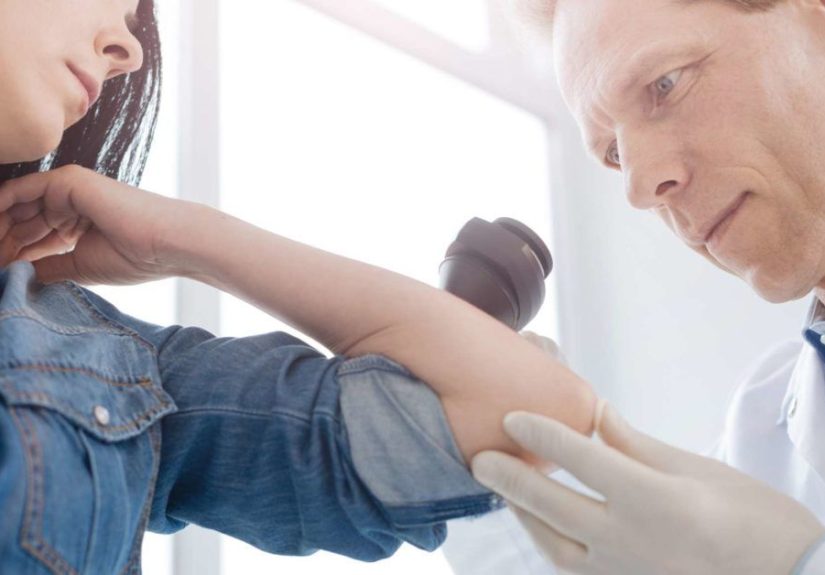
Diagnosis starts with a close look at the wound’s location, depth, edges, drainage, surrounding skin, and how long it has been there. Doctors also ask about swelling, pain, mobility, diabetes, smoking, circulation problems, previous ulcers, and current medications.
Additional testing may include:
- Checking pulses and blood flow in the legs and feet
- Testing for nerve damage
- Blood sugar testing if diabetes is suspected or known
- Wound culture if infection is likely
- Imaging if bone infection is a concern
- Biopsy for unusual, rapidly worsening, or nonhealing ulcers
This evaluation is important because treatment for a venous ulcer is not the same as treatment for an arterial ulcer. In fact, the wrong approach can make things worse. Compression, for example, helps many venous ulcers but may be unsafe if there is severe arterial disease.
Treatments for skin ulcers
Effective treatment usually has two goals: help the wound heal and correct the underlying problem that caused it. That means the plan can involve wound care, circulation care, pressure relief, blood sugar control, infection treatment, and lifestyle changes all at once.
Basic wound care
Most ulcers need gentle cleaning, usually with saline or another clinician-recommended cleanser. Dressings are used to keep the wound appropriately moist, protect it from contamination, and manage drainage. The best dressing depends on whether the ulcer is wet, dry, deep, shallow, infected, or covered with dead tissue.
Debridement
Debridement means removing dead or unhealthy tissue so healthy tissue has a better chance to grow. This may be done with instruments, special dressings, enzymes, or other wound-care methods.
Treating infection
Not every ulcer needs antibiotics. Antibiotics are generally used when there are clear signs of infection, not simply because a wound exists. If infection is present, treatment may involve topical therapy, oral antibiotics, or IV antibiotics in more severe cases.
Compression therapy for venous ulcers
For many venous leg ulcers, compression stockings or wraps are a cornerstone of treatment. Compression helps move fluid out of the lower leg, improves venous return, and reduces swelling. Leg elevation and walking or calf-muscle exercise may also help.
Restoring blood flow for arterial ulcers
Arterial ulcers often need more than dressings. A vascular specialist may recommend procedures to improve circulation, such as angioplasty, stenting, or surgery. Smoking cessation is especially important here because tobacco narrows blood vessels and slows healing.
Off-loading for diabetic foot ulcers
Off-loading means taking pressure off the ulcer. This may involve a total contact cast, special footwear, a walking boot, inserts, crutches, or activity changes. Good blood sugar management, daily foot care, and treatment of infection or poor circulation are equally important.
Pressure relief for pressure ulcers
Treatment focuses on frequent repositioning, support surfaces such as specialized mattresses or cushions, moisture management, nutrition, and careful wound care. Severe ulcers may require surgical treatment.
Advanced therapies
If a wound does not respond to standard treatment, specialists may use negative pressure wound therapy, skin substitutes, grafts, hyperbaric oxygen in select cases, or procedures to address vein or artery disease. These are not first-line for every ulcer, but they can be valuable when healing stalls.
Pain control and nutrition
Pain can interfere with movement, sleep, and healing, so it should not be brushed aside. Nutrition matters too. Healing skin needs calories, protein, fluids, and enough vitamins and minerals to rebuild tissue. In other words, the body cannot renovate a house with no supplies in the truck.
Can skin ulcers be prevented?
Often, yes. Prevention is especially important if you have had one before, because recurrence is common.
- Check your feet and lower legs daily if you have diabetes, neuropathy, or circulation problems
- Wear properly fitting shoes and protect the skin from friction
- Manage diabetes, blood pressure, and cholesterol
- Use compression if your clinician prescribes it for venous disease
- Reposition frequently if you have limited mobility
- Keep skin clean and moisturized, but avoid soggy, constantly damp skin
- Stay active as medically appropriate to support circulation
- Stop smoking
- Seek early care for blisters, cracks, calluses, or minor wounds that are not improving
What living with a skin ulcer often feels like
Skin ulcers are not just “a sore on the skin.” For many people, they become part of the daily schedule in a way nobody asked for. The experience often starts with something small: a scab that does not close, a patch of irritated skin above the ankle, a blister from a shoe, or a sore spot on the heel. At first, people commonly assume it will heal on its own. Then days turn into weeks, and the wound starts taking up more physical and mental space than expected.
Many patients describe the frustration of routine wound care. Dressings have to be changed. Compression wraps may feel bulky. Off-loading boots are helpful but awkward. Elevating the leg sounds simple until you also need to work, cook, commute, or care for someone else. Even people who are motivated and careful can feel worn down by the constant maintenance. Healing is rarely dramatic. It is usually slow, uneven, and deeply unglamorous.
Pain is another major theme, but it does not show up the same way for everyone. Some people with venous or arterial ulcers feel throbbing, burning, or sharp pain that gets worse at night. Others with diabetic neuropathy may feel very little pain, which creates a different kind of anxiety because the wound can worsen quietly. Either way, the uncertainty is exhausting. People often ask, “Is this getting better, or am I just becoming emotionally attached to my bandages?”
There is also the social side of it, which rarely gets enough attention. Drainage, odor, swelling, or visible bandages can make people self-conscious. Some limit outings because walking hurts or because they do not want questions. Others worry about work, travel, sleep, or whether they will ever wear normal shoes again. Chronic wounds can shrink a person’s world in sneaky ways.
Caregivers feel it too. They may help with dressing changes, transportation, medication schedules, and skin checks. That support can be incredibly important, especially for older adults or people with reduced mobility. At the same time, it can add stress to family routines and finances, particularly when treatment stretches on for months.
The encouraging part is that people often feel better once the ulcer is correctly identified and the treatment matches the cause. A venous ulcer may finally improve when compression is used consistently. A diabetic foot ulcer may start closing once pressure is taken off the area. A pressure ulcer may turn a corner when repositioning, nutrition, and wound care are all addressed together. Progress may be slow, but it is still progress.
One of the most valuable lessons patients often report learning is this: a skin ulcer is not something to “tough out.” Early care usually means fewer complications, less pain, and a better chance of healing. The sooner the wound gets expert attention, the better the odds that your skin can get back to doing what it was built to doprotecting you quietly, without making itself the star of the show.
Conclusion
Skin ulcers are open sores that usually signal an underlying problem such as poor circulation, pressure, diabetes, nerve damage, or inflammation. The main typesvenous, arterial, pressure, and diabetic ulcerscan look similar at first glance, but they behave differently and need different treatment strategies. That is why proper diagnosis matters so much.
The best treatment plan combines smart wound care with treatment of the root cause. That may include compression, off-loading, restoring blood flow, pressure relief, infection management, better glucose control, and lifestyle changes that improve healing. If a wound is not closing, is getting worse, or is showing signs of infection, it is time to stop hoping for magic and start getting medical help. Skin ulcers can be stubborn, but with the right care, many can improveand some can be prevented from coming back.