Table of Contents >> Show >> Hide
- What Is a Standby Generator?
- How a Standby Generator Works
- Who Actually Needs a Standby Generator?
- Who Probably Does Not Need One?
- Standby Generator Pros and Cons
- How Much Does a Standby Generator Cost?
- How to Decide if You Need One
- Standby Generator vs. Portable Generator vs. Battery Backup
- Safety, Installation, and Maintenance Matter More Than Marketing
- Final Verdict: Do You Need a Standby Generator?
- Real-World Experiences With Standby Generators
- SEO Tags
If power outages in your area are a once-a-year inconvenience, a standby generator may feel like bringing a fire truck to light a birthday candle. But if your neighborhood loses power every storm season, your sump pump is basically your home’s bodyguard, or someone in the house depends on powered medical equipment, a standby generator starts looking a lot less like a luxury and a lot more like a plan.
That is the real question behind this topic: not “Are standby generators cool?” They are. The better question is “Does my home actually need one badly enough to justify the cost?” The answer depends on risk, comfort, budget, and how much chaos you are willing to tolerate when the grid taps out. In this guide, we will break down what a standby generator does, who benefits most, when a portable or battery backup may be enough, what it costs, and how to decide without getting swept away by shiny marketing photos of perfectly powered kitchens.
What Is a Standby Generator?
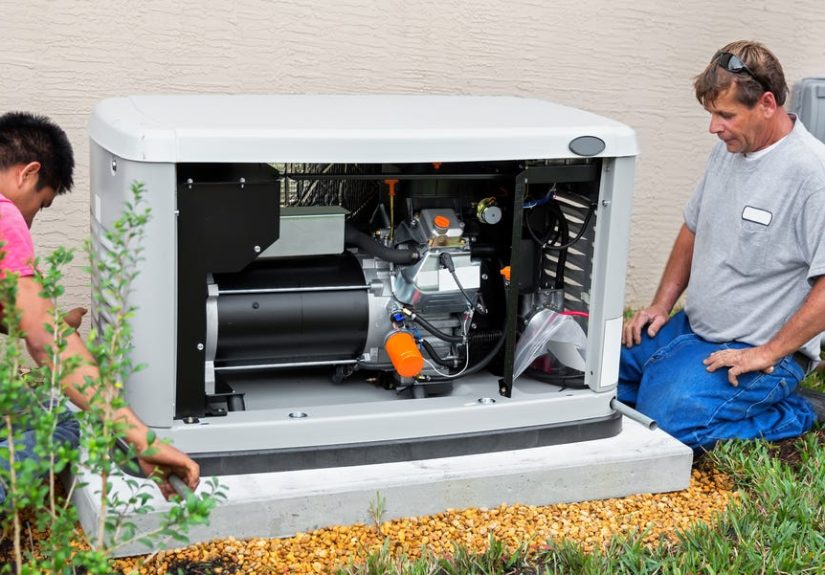
A standby generator is a permanently installed backup power system that sits outside your home and turns on automatically when utility power fails. It is usually connected to a fuel source such as natural gas or propane, and it works with an automatic transfer switch that moves your home from utility power to generator power without requiring you to sprint outside in the rain wearing questionable pajamas.
Unlike a portable generator, a standby generator is designed to be part of the house. It is not dragged out of the garage, filled up with gas, and connected with extension cords. It is wired into your electrical system so it can power selected circuits or, in larger setups, nearly the entire home.
This is why whole-house generators appeal to homeowners who want a seamless backup power solution. The system detects the outage, starts the engine, transfers the load, and keeps essential systems running with minimal drama. In outage season, “minimal drama” is a very valuable home feature.
How a Standby Generator Works
Automatic Transfer Switch
The magic piece is the automatic transfer switch, often called an ATS. When your utility power drops, the ATS signals the generator to start and safely shifts the electrical load. That transfer matters because it helps prevent dangerous backfeeding into utility lines and allows your generator to supply power in a controlled way.
Fuel and Power Delivery
Most residential standby generators run on natural gas or liquid propane. Natural gas is convenient where service is reliable because there is no need to refill portable fuel cans. Propane can also work well, especially in rural areas, but homeowners need to think about tank size and refill logistics during long outages.
What It Can Run
That depends on the system size and your electrical load. Some standby systems are designed to power only essentials like refrigeration, lights, internet, a furnace blower, medical devices, and a sump pump. Larger models can support central air, electric ranges, laundry equipment, and most of the house. In plain English, the bigger the generator, the less you have to play the “Can I use the microwave without killing the AC?” game.
Who Actually Needs a Standby Generator?
Not everyone needs one. But some homeowners have a very strong case for installing a standby generator, and pretending otherwise is how frozen pipes, flooded basements, and spoiled refrigerators become expensive life lessons.
1. Homes in Storm-Prone or Outage-Prone Areas
If you live somewhere that regularly deals with hurricanes, ice storms, severe thunderstorms, wildfire-related shutoffs, or a grid that acts moody whenever the weather changes its mind, a standby generator can make practical sense. The more frequent and longer the outages, the stronger the value proposition becomes.
2. Households With Medical or Accessibility Needs
If someone in the home depends on powered medical equipment, refrigerated medication, mobility equipment, or climate control for health reasons, backup power is not just about comfort. It is about continuity and safety. In those cases, automatic backup power can remove a lot of risk and stress.
3. Homes With Basements, Wells, or Critical Water Systems
A sump pump does not care that the utility company is “working on it.” A well pump does not magically become inspirational and start running on optimism. If your home depends on electric water access, drainage, or sewage systems, losing power can quickly become a property problem.
4. Remote Workers and Home-Based Businesses
If your job depends on a stable internet connection, powered office equipment, or preserving inventory, repeated outages can become more than a nuisance. Missed work, lost income, data interruptions, and ruined refrigerated goods can make a standby generator easier to justify financially.
5. Homeowners Who Want a Low-Hassle Backup Solution
Some people are simply not interested in wrestling with manual setup, fuel storage, extension cords, and constant monitoring. That is fair. A standby generator costs more, but it gives you convenience, speed, and peace of mind. Sometimes the product you are really buying is not just electricity. It is fewer headaches.
Who Probably Does Not Need One?
A standby generator is impressive, but it is not automatically the right purchase for every home.
If Outages Are Rare and Short
If your power almost always comes back within an hour or two, a standby generator may be overkill. A good emergency kit, battery backup for small electronics, flashlights, and a portable power station may cover your needs for far less money.
If You Live in an Apartment or Condo
Permanent installation is often not possible in multi-unit housing due to space, fuel, code, and association restrictions. In that case, smaller backup solutions are usually more realistic.
If Your Main Need Is Just a Few Essentials
If you only need to keep your phone charged, internet alive, and a small fridge cold for short outages, a battery system or portable generator may be the smarter buy. Not every problem requires a whole-house answer.
If the Budget Would Stretch You Too Thin
A standby generator should feel like preparedness, not financial self-sabotage. Between the unit, transfer switch, permits, electrical work, and possible fuel-line upgrades, this is a major purchase. If it would drain your emergency savings, that irony is a little too on the nose.
Standby Generator Pros and Cons
Pros
- Automatic operation during outages
- Can power more of the home than most portable generators
- No dragging equipment outside during bad weather
- Useful for medically necessary equipment and essential home systems
- Can reduce food spoilage, flood risk, and disruption during long outages
- Generally more convenient and more integrated than portable options
Cons
- Higher upfront cost than portable generators or battery backups
- Professional installation is required
- Needs ongoing maintenance and testing
- Can be noisy, depending on model and placement
- Fuel supply planning still matters, especially with propane
- May be more system than you truly need if outages are uncommon
How Much Does a Standby Generator Cost?
This is the part where people either nod thoughtfully or clutch their coffee mug a little tighter. A standby generator is not cheap. For many homes, the total installed cost lands in the several-thousand-dollar range and can climb well beyond that depending on size, brand, electrical complexity, concrete pad work, permits, and fuel connection needs.
Smaller residential standby units may cover essential circuits, while midrange and larger units can support most of a home. In broad terms, homeowners often look at generator sizes from around 8 kW to 22 kW and beyond, with many homes using roughly 20 to 24 kW for near whole-home coverage. Total project costs can vary widely, but installation often pushes the final price much higher than the sticker price of the generator itself.
That is why the right way to think about cost is not just “What does the generator cost?” but also “What problem does it prevent?” For one family, it prevents food spoilage and Wi-Fi complaints. For another, it protects a basement from flooding, keeps medication refrigerated, powers a well pump, and keeps the house safe during a multiday outage. Same machine, very different value.
How to Decide if You Need One
If you are on the fence, ask yourself these practical questions:
- How often do outages happen here? Once every three years is different from every storm season.
- How long do they usually last? A 45-minute outage is annoying. A 36-hour outage in freezing or extreme heat is a different story.
- What must stay on? Medical devices, sump pumps, refrigeration, well pumps, security systems, internet, HVAC, and work equipment all change the answer.
- How much inconvenience can we tolerate? Some households are fine camping in their own living room for a night. Others are not, and that is okay.
- Would a smaller backup option solve the real problem? Sometimes a battery system, solar-plus-storage, or a portable generator with a proper transfer setup is enough.
If your answers point toward frequent outages, high consequence systems, or minimal tolerance for downtime, a standby generator moves from “nice idea” to “sensible investment.”
Standby Generator vs. Portable Generator vs. Battery Backup
Standby Generator
Best for homeowners who want automatic backup power, need to run essential home systems, or live in areas with regular long outages. Highest convenience. Highest cost.
Portable Generator
Best for budget-conscious homeowners who only need temporary power for selected items. Lower upfront cost, but more manual work and more safety concerns. It must be used outdoors, away from doors, windows, and attached garages, and never inside the home.
Battery Backup
Best for short outages, electronics, and households that want quiet, low-maintenance backup power without combustion. Great for devices and light loads. Not always ideal for long runtimes or large HVAC-heavy homes unless the system is substantial and expensive.
Safety, Installation, and Maintenance Matter More Than Marketing
Here is the least glamorous but most important truth in this entire article: backup power equipment is only helpful when it is installed and maintained correctly. Standby generators should be professionally installed according to local codes and manufacturer instructions. That includes proper clearance, safe fuel connections, correct electrical integration, and appropriate transfer equipment.
Maintenance also matters. Standby generators need regular exercise cycles, battery checks, oil and filter service, inspections, and scheduled maintenance based on hours of use or time intervals. Ignore maintenance long enough and your expensive “peace of mind machine” can become a decorative outdoor regret.
And while standby units are different from portable generators, all combustion-based generator setups demand respect for safety. Carbon monoxide, fire hazards, and electrical hazards are not interested in whether you meant well. Plan carefully, use qualified professionals, and treat backup power like serious equipment, because it is.
Final Verdict: Do You Need a Standby Generator?
You need a standby generator if losing power would create a serious safety issue, a major property risk, or repeated lifestyle and work disruption that cheaper backup options cannot reasonably solve. You probably do not need one if outages are rare, short, and low impact, or if a battery system or portable backup setup can handle your actual essentials.
In other words, the right answer is not emotional. It is situational. A standby generator is not a universal must-have, but for the right household it can be one of the most practical home resilience upgrades available. When the lights go out and your home keeps humming like nothing happened, it stops feeling like an extravagant purchase and starts feeling like a very smart one.
Real-World Experiences With Standby Generators
Homeowner experiences with standby generators usually fall into two categories: people who bought one and barely think about it until the power goes out, and people who waited too long and finally bought one after a truly miserable outage. That second group tends to have vivid storytelling energy. It often starts with a sentence like, “Well, after three days without power and one flooded basement, we made a decision.”
One common experience comes from families in storm-heavy regions who describe the first outage after installation as strangely anticlimactic. The neighborhood goes dark, the house pauses for a moment, and then the generator kicks in. The refrigerator stays cold, the lights return, the Wi-Fi revives, and everyone in the house acts like civilization has been restored by a noisy metal hero in a box. That sense of normalcy is what many owners say they are really paying for.
Another frequent story comes from homes with sump pumps or wells. These homeowners often say the generator did more than keep them comfortable; it protected the property. During heavy rain, a dead sump pump can turn a basement into an indoor water feature nobody asked for. In rural homes with well pumps, backup power also means water still flows for washing, cooking, and basic sanitation. Once people experience a long outage without water, they tend to become very interested in permanent backup power very quickly.
Work-from-home households often talk about standby generators differently. For them, the generator is less about candles and canned soup and more about continuity. A stable connection means meetings still happen, routers stay on, laptops recharge, and refrigerated groceries do not become a science experiment. Some homeowners even say the system paid for itself mentally long before it ever paid for itself financially, because it removed the constant stress of wondering whether every storm would derail the week.
There are also honest experiences that are less romantic. Some owners mention the noise. Some mention the annual maintenance bill. Others admit they underestimated installation complexity, especially when gas lines, permits, or electrical upgrades entered the conversation like uninvited but very expensive guests. A few homeowners realize after the fact that they oversized the system and could have saved money by powering only critical circuits instead of trying to preserve every modern convenience short of a backyard movie premiere.
Then there are the homeowners who decided against a standby generator and feel perfectly good about that choice. They often report that a battery backup, a smaller portable setup, or a more targeted emergency plan fits their needs just fine. Their experience is a helpful reminder that preparedness is not one-size-fits-all. The “best” solution is the one that matches your outage pattern, your home systems, and your budget without creating a new problem in the process.
The most useful takeaway from real-world experience is simple: people are happiest with standby generators when they buy them for practical reasons, size them correctly, install them professionally, and understand what they are trying to protect. When the purchase is based on real needs rather than panic or showroom excitement, the results are usually much better. Backup power works best when your expectations are as well wired as the system itself.