Table of Contents >> Show >> Hide
- Why Cupcakes Still Rule the Dessert Table
- The Classic Cupcake Recipes That Never Let You Down
- The Unexpected Cupcake Recipes Worth Baking Immediately
- How to Make Any Cupcake Recipe Better
- Frosting Is Not an Accessory
- Conclusion
- Cupcake-Baking Experiences: What Home Bakers Usually Learn the Delicious Way
There are desserts that make a grand entrance, and then there are cupcakesthe little overachievers that somehow do everything at once. They are portable, party-friendly, freezer-friendly, and dangerously easy to justify with the phrase, “It’s just one.” A great cupcake also nails a balance that full-size cakes sometimes miss: tender crumb, big flavor, and enough frosting to make life feel briefly organized.
The best cupcake recipes tend to fall into two camps. First, there are the classics: vanilla, chocolate, and red velvet, the all-stars that never go out of style. Then there are the unexpected cupcakes, the ones that show up with lemon curd, chai spice, coconut cream, peanut butter filling, or fruit-forward frosting and suddenly become the dessert everyone talks about on the drive home. The sweet spot is not choosing one camp over the other. It is knowing when to bake a timeless favorite and when to let your cupcake get a little dramatic.
This guide rounds up the best cupcake recipes worth baking again and again, from dependable classics to flavor-packed surprises. It also breaks down what makes a cupcake truly excellent, because no one wants a dry, flat little sponge wearing an oversized frosting hat.
Why Cupcakes Still Rule the Dessert Table
Cupcakes remain popular for good reason. They are easier to transport than layer cakes, easier to portion than sheet cakes, and much easier to decorate without turning your kitchen into a frosting crime scene. They also invite variety. You can make one batch of vanilla batter and finish it three different ways. You can pipe a clean bakery swirl on half, add fillings to the rest, and pretend this was all very intentional and not an excuse to eat “test cupcakes” at 10:30 p.m.
From an SEO point of viewand yes, dessert deserves strategy toothe phrase best cupcake recipes usually means readers want three things: reliable texture, crowd-pleasing flavor, and enough novelty to avoid baking the same birthday cupcake for the fifteenth year in a row. That is exactly where classic and unexpected cupcake flavors work beautifully together.
The Classic Cupcake Recipes That Never Let You Down
1. Vanilla Bean Cupcakes with Vanilla Buttercream
Let’s begin with the cupcake equivalent of a white T-shirt that actually fits: classic vanilla. A truly good vanilla cupcake is not bland, plain, or “fine, I guess.” It should taste buttery, fragrant, and slightly floral, with a soft crumb that stays moist without crossing into gummy territory.
The best versions usually rely on good vanilla extract, sometimes vanilla bean or vanilla paste, and a batter designed for tenderness rather than toughness. Sour cream, cake flour, or a careful balance of butter and milk can help create that plush bakery-style texture. Top it with vanilla buttercream and you have a cupcake that works for birthdays, baby showers, bake sales, office parties, and those evenings when adulthood feels exhausting and frosting feels medicinal.
Vanilla cupcakes are also the ideal base for experimentation. Add citrus zest, fill them with jam, swirl in caramel, or crown them with berries. They are the Switzerland of cupcakes: neutral, agreeable, and somehow involved in every delicious situation.
2. Deep Chocolate Fudge Cupcakes
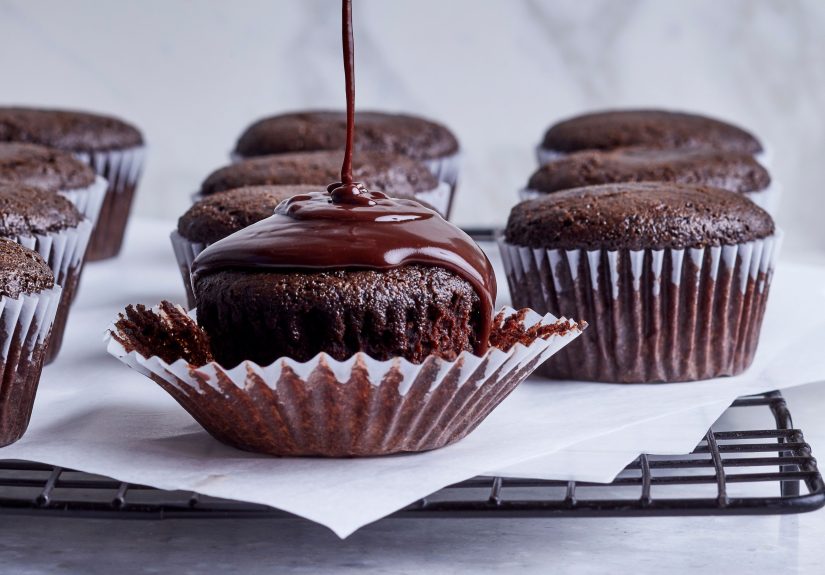
If vanilla is the clean white shirt, chocolate cupcakes are the leather jacket. They are richer, moodier, and a little harder to resist. The best chocolate cupcake recipes deliver a deep cocoa flavor without turning dry or crumbly. The secret is usually moisture management: buttermilk, oil, sour cream, or hot liquid can all help build a soft, tender crumb with serious chocolate intensity.
These cupcakes pair beautifully with chocolate buttercream, of course, but they also shine with cream cheese frosting, peanut butter frosting, salted caramel buttercream, or even whipped mascarpone. For people who say they do not like cupcakes, a good chocolate one is often the dessert that changes their mind. Or at least silences them, which is still a win.
3. Red Velvet Cupcakes with Cream Cheese Frosting
Red velvet sits in that magical in-between space: not quite vanilla, not quite chocolate, and somehow more glamorous than either. A strong red velvet cupcake has gentle cocoa notes, a little tang from buttermilk or sour cream, and that signature velvety crumb that feels lighter than a standard butter cake.
The frosting matters here. Cream cheese frosting is not optional in spirit, even if someone somewhere insists on buttercream. The tangy finish keeps the cupcake from becoming too sweet and gives the whole thing that classic bakery feel. Red velvet cupcakes are excellent when you want something traditional that still looks festive and just dramatic enough to earn compliments.
4. Yellow Birthday Cupcakes with Chocolate Frosting
There is something deeply nostalgic about yellow cupcakes topped with thick chocolate frosting and a blizzard of sprinkles. This combination tastes like childhood in the best possible way. A buttery yellow cupcake should feel soft and rich, with a warm vanilla flavor and a texture sturdy enough to support frosting but tender enough to stay delicate.
These are the cupcakes for birthdays, classroom parties, and anyone who believes the phrase “more sprinkles” is a serious culinary position. They are not flashy, but they are beloved for a reason. Comfort food rarely needs a rebrand.
The Unexpected Cupcake Recipes Worth Baking Immediately
5. Lemon-Raspberry Cupcakes
Fruit-forward cupcakes can go wrong in two ways: not enough fruit flavor or too much moisture. But when they work, they are bright, elegant, and dangerously easy to eat two at a time. Lemon-raspberry cupcakes are one of the best unexpected flavor combinations because the lemon keeps everything lively while the raspberry adds sweetness, color, and a slight tart edge.
Use lemon zest in the batter for fragrance, then bring in raspberry through jam, fresh berries, or a frosting accent. These cupcakes feel lighter than chocolate-based versions, which makes them especially appealing for spring, brunches, showers, and gatherings where people say things like “I just want something small” and then hover near the dessert table for an hour.
6. Coconut Cream Cupcakes
Coconut cupcakes are for anyone who wants a dessert that feels both cozy and a little tropical. The best versions build coconut flavor in layers: coconut milk or cream in the batter, shredded coconut for texture, and a frosting that leans creamy instead of aggressively sweet. Some recipes push the idea further with a pudding or pastry-cream style filling, which turns a simple cupcake into a full dessert event.
Coconut cream cupcakes are especially strong when topped with toasted coconut. That little bit of texture makes the whole thing more interesting and keeps the flavor from feeling flat. They are not subtle, but subtle is overrated in dessert.
7. Chai-Spice or Maple-Caramel Cupcakes
If classic cupcakes are the dependable year-round stars, spiced cupcakes are the seasonal scene-stealers. Chai-spice cupcakes bring cinnamon, cardamom, ginger, and clove into the batter, creating warmth without turning the cupcake into a candle. Maple-caramel versions do something different: they lean buttery, cozy, and slightly decadent, especially with brown sugar or salted caramel frosting.
These are perfect fall cupcake recipes, but they are not limited to autumn. Spice done well feels timeless, not trendy. And unlike pumpkin-everything fatigue, chai and maple flavors can feel grown-up while still delivering comfort. They are the cupcakes you bake when you want people to ask, “Wait, what is in this?” before immediately reaching for another one.
8. Peanut Butter-Chocolate Core Cupcakes
Chocolate and peanut butter remain one of the great dessert pairings because they understand each other. Chocolate brings richness; peanut butter brings salt, nuttiness, and the kind of creamy depth that makes frosting feel less one-note. A chocolate cupcake with a peanut butter filling or frosting is indulgent, yes, but also balanced in a way that straight chocolate sometimes is not.
For the best version, use a moist chocolate cupcake as the base, then hide a peanut butter filling in the center or pipe on a fluffy peanut butter buttercream. This cupcake feels slightly more playful than formal, which is part of the charm. It is the dessert equivalent of showing up to a party in great shoes and zero concern for being overdressed.
9. Banana Pudding or Filled Vanilla Cupcakes
Filled cupcakes deserve their own category because the center changes everything. Banana pudding cupcakes, for example, take a soft vanilla or banana-flavored cake and tuck creamy filling inside, often with cookie crumbs or wafer accents for texture. Suddenly a cupcake is no longer just cake plus frosting. It is a layered dessert in miniature.
Filled cupcakes also photograph beautifully, which does not affect flavor but absolutely affects human behavior. Cut one open and everyone suddenly wants one, even the people who claimed they were “saving room.” Whether the filling is pastry cream, curd, jam, chocolate ganache, or cream cheese, the key is contrast: soft cake, smooth center, and a frosting that ties the whole thing together.
10. Chocolate-Orange, Peppermint, or Black-and-White Cupcakes
Some of the best unexpected cupcake recipes come from classic flavor combinations used in a fresher format. Chocolate-orange cupcakes add citrusy brightness to deep cocoa and feel far more sophisticated than their humble paper liners suggest. Peppermint chocolate cupcakes are festive without needing to wear a Santa hat. Black-and-white cupcakes, with vanilla cake and dark chocolate icing or the reverse, bring bakery nostalgia and visual contrast in one neat package.
These cupcakes work because they start with familiar flavor logic, then change the proportions or presentation. That is often the smartest route for creative baking. People like surprises, but they also like knowing dessert will still taste like dessert and not like a dare.
How to Make Any Cupcake Recipe Better
The difference between a good cupcake and a great cupcake is usually not a secret ingredient flown in from a mountain village. It is technique. Small desserts are unforgiving, which means small improvements matter a lot.
- Use room-temperature ingredients when the recipe expects them. Batter mixes more evenly, which helps with texture.
- Do not overmix. Once the flour goes in, stir just until combined. Cupcakes should be tender, not athletic.
- Fill liners about two-thirds to three-quarters full. Too little batter gives sad cupcakes; too much creates muffin tops wearing frosting wigs.
- Check early for doneness. Dry cupcakes rarely recover, no matter how inspirational the frosting speech becomes.
- Cool completely before frosting. Melted buttercream is not rustic. It is just warm regret.
- Think in layers of flavor. A cupcake improves when the cake, filling, and frosting each contribute something different.
Texture matters just as much as flavor. Soft cake benefits from crunchy toppings, silky frosting benefits from tart fillings, and sweet batter benefits from a pinch of salt or a tangy frosting. The best cupcake recipes do not just taste good; they feel complete.
Frosting Is Not an Accessory
Let’s settle this kindly but firmly: frosting is not a decorative afterthought. It is half the dessert experience. Vanilla buttercream gives structure and sweetness. Chocolate buttercream adds richness. Cream cheese frosting adds tang and softness. Ganache feels sleek and grown-up. Whipped mascarpone or lightly sweetened cream can make fruit-forward cupcakes feel more elegant and less sugar-hammered.
The right frosting depends on the cupcake underneath it. Chocolate cupcakes love contrast, so peanut butter, mint, or cream cheese can all work. Vanilla cupcakes welcome nearly anything. Red velvet needs cream cheese. Lemon cupcakes love a smooth, bright frosting that does not bury the citrus. Coconut cupcakes benefit from airy, creamy toppings rather than dense butter-heavy swirls.
And yes, appearance matters. A dramatic spiral, a spooned swoop, a sprinkle edge, toasted coconut, citrus zest, cookie crumbs, or a berry on top can make homemade cupcakes look bakery-worthy without requiring a diploma in pastry arts. Cupcakes are generous that way. They reward effort, but they also forgive a lot.
Conclusion
The best cupcake recipes are not just the most popular ones. They are the recipes that deliver reliable texture, balanced sweetness, and enough personality to make people remember them. Classic cupcakes like vanilla, chocolate, yellow birthday, and red velvet earn their reputation because they work nearly every time and suit nearly every occasion. Unexpected cupcakeslemon-raspberry, coconut cream, chai-spice, peanut butter-chocolate, and filled varietieskeep things exciting without losing that comforting cupcake appeal.
If you bake often, the smartest strategy is simple: master two classics, then keep one or two unexpected cupcake recipes in rotation for when you want to impress people a little. Or a lot. Because a cupcake can absolutely be casual, but it can also be the most talked-about dessert at the table. That is a lot of power for something wrapped in paper.
Cupcake-Baking Experiences: What Home Bakers Usually Learn the Delicious Way
Anyone who bakes cupcakes regularly ends up collecting a very specific set of experiences. The first is false confidence. A person makes one decent batch of vanilla cupcakes and immediately thinks, “Maybe I should bring 48 to the school fundraiser.” Two hours later, that same person is elbow-deep in frosting, surrounded by cooling racks, and discovering that carrying a tray of cupcakes across a kitchen is a balance challenge roughly equal to crossing a rope bridge in an action movie.
Then there is the universal lesson of overfilling liners. Every baker does it at least once. The batter rises, spills, and fuses itself to the pan in a way that feels deeply personal. You learn to aim for restraint. You learn that cupcakes are tiny, but their opinions are large.
Frosting teaches its own course. On cool days, buttercream behaves beautifully and pipes like a dream. On warm days, it becomes philosophical and stops believing in structure. This is the moment when home bakers discover the importance of cooling time, room temperature, and not decorating directly next to a sunny window while pretending everything is under control. It never is. Yet somehow the cupcakes still get eaten, often faster than the baker can finish apologizing for their uneven swirls.
There is also the revelation that people respond differently to flavors than expected. The baker assumes the chocolate cupcakes will go first. Instead, the lemon ones disappear in minutes. The coconut batch that seemed “too niche” becomes the sleeper hit. The filled cupcakes cause the biggest reaction because nothing delights a group quite like cutting into a cupcake and finding a hidden center. Humans, it turns out, are very easy to impress when dessert has a secret.
Birthday parties provide another lesson: cupcakes are not just dessert, they are logistics. They eliminate slicing, reduce serving mess, and let children choose their own frosting color with the seriousness of diplomats negotiating a treaty. For adults, cupcakes do something equally useful. They create permission to sample. A person who would never ask for two slices of cake will absolutely say, “I’ll try one chocolate and one vanilla,” as though science required it.
Over time, bakers learn that the best cupcake recipes are not always the fanciest ones. Sometimes the winning batch is simple yellow cake with chocolate frosting because it tastes familiar and comforting. Sometimes it is a flavor twistchai, raspberry, peanut butter, caramelthat surprises people just enough to feel special. The most memorable cupcakes usually strike both notes at once: a classic structure with an unexpected detail.
And perhaps that is why cupcakes remain so beloved. They are practical but charming, nostalgic but flexible, easy to share but hard to forget. They fit into weeknight cravings, birthday tables, office parties, and holiday trays without demanding a lot of ceremony. You bake them, frost them, line them up, and suddenly the room looks a little more festive. That is a pretty impressive trick for a dessert small enough to hold in one hand and disappear in three bites.