Table of Contents >> Show >> Hide
- What Is Dark Academia (and What It Definitely Isn’t)
- The Dark Academia Formula: Color + Texture + Light + Story
- Room-by-Room: How to Build Dark Academia at Home
- Living Room: The Literary Lounge
- Home Office or Study: The Main Character Headquarters
- Bedroom: Cozy, Moody, and Actually Sleep-Friendly
- Dining Room: Candlelit Without the Chaos
- Entryway and Hallway: First Impressions, But Make It Scholarly
- Renters and Small Spaces: Dark Academia Without the Renovation
- How to Avoid “Accidental Haunted Mansion”
- Sourcing and Shopping: Curate Like You’re on a Tenure Track Budget
- Quick-Start Checklist: Build the Look in One Weekend
- Conclusion: Dark Academia Is a Mood You Can Live In
- Experience Notes: What People Usually Learn the Hard Way (So You Don’t Have To)
Dark Academia interior design is what happens when a cozy library, an old campus building, and your “I should really finish that book” guilt move in together and decide to redecorate. It’s moody, vintage-inspired, and unapologetically obsessed with texturethink worn leather, dark wood, warm brass, and lighting that makes everything look like it has a backstory.
Done well, Dark Academia feels intimate and timelessnot like a spooky Halloween aisle that got lost on the way to the checkout. This guide breaks down the look into practical, room-by-room steps, with plenty of options for renters, small spaces, and people who want “scholarly” without committing to “I definitely own a cape.”
What Is Dark Academia (and What It Definitely Isn’t)
At its core, dark academia interior design is a literary, old-world aesthetic inspired by classic education, historic architecture, and the romance of learning. Interiors lean into deep, shadowy color palettes, vintage decor, and layered materials that feel collected over time. Books are not “props” herethey’re basically roommates.
What it isn’t: a full-time haunted house, a clutter explosion, or a justification to buy twelve skull candles (one tasteful skull? sure). Dark Academia is about intentional cozinessmysterious, yes, but still functional for modern life (including snack breaks and Netflix).
The Dark Academia Formula: Color + Texture + Light + Story
1) Color Palette: Moody, Warm, and a Little Dramatic
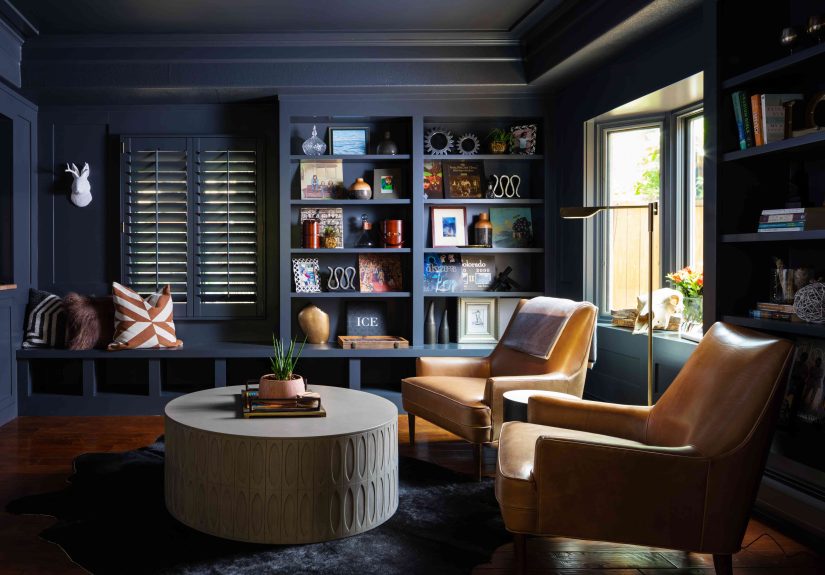
The signature palette lives in the deep end of the paint deck: charcoal, ink black, forest green, navy, oxblood, dark chocolate brown, and antique ivory. The trick is choosing shades with enough warmth (or balanced undertones) so the room feels cocooning instead of cave-like.
- Safe starting point: One dark wall (or a reading nook corner) + warm neutrals elsewhere.
- Bold move: Color drenchingpainting walls, trim, and even ceiling in one rich hue for a wrapped-in-velvet effect.
- Designer cheat code: Use contrast strategically: dark walls + lighter ceiling, or dark trim + lighter walls for instant depth.
Example: In a small office, a deep green wall behind a desk, paired with a warm wood top and brass lamp, reads “classic study” without swallowing the light. Add a framed vintage map, and suddenly your emails feel 12% more intellectual.
2) Materials & Textures: The “Touch Everything” Aesthetic
Dark Academia thrives on tactile layers. If your room looks good but feels flat, it’s usually missing texture. Aim for a mix of matte, soft, and subtly reflective finishes.
- Woods: walnut, oak, mahogany tones, dark stains, antique finishes, or even modern pieces with classic silhouettes.
- Upholstery: leather (especially distressed), velvet, boucle (used sparingly), wool, tweed, and suiting-like fabrics.
- Metals: brass, bronze, aged gold, and blackened steel for hardware and lighting.
- Textiles: plaid, herringbone, damask, subtle florals, Persian-style rugs, heavy curtains, and layered throws.
A leather Chesterfield-style sofa is basically the unofficial mascot of this look, but you don’t need one to “qualify.” Even one leather accent chair (or a vintage-inspired ottoman) can signal Dark Academia when paired with the right palette and lighting.
3) Lighting: Warm Pools of Glow, Not Stadium Beams
Lighting is where Dark Academia goes from “nice dark room” to “I could write a novel here (or at least a dramatic grocery list).” The goal is layered lighting: ambient + task + accent.
- Warm bulbs: Aim for a cozy, warm tone (many people prefer the 2700K–3000K range).
- Task lighting: A brass desk lamp or banker’s lamp for reading and working.
- Accent lighting: Picture lights over art, a small library sconce, or a shaded table lamp on a sideboard.
- Dimmers: If you do one “adulting” upgrade, make it dimmers. Romance and flexibility in one switch.
Safety note: Real candles are beautiful, but flameless candles and candle-like sconces can deliver the same vibe without the “Did I turn that off?” anxiety.
4) Bookshelves, Built-Ins, and the “Collected” Look
Bookshelves are the soul of Dark Academia decor. You can go full built-in library wall, or you can fake it convincingly with tall shelves and good styling. Either way, think of shelving as a curated exhibit: books, art, and objects that hint at your interests.
- Styling rule: Mix vertical and horizontal stacks. Leave breathing room for a framed photo, a small sculpture, or a vintage box.
- Color strategy: Try grouping spines loosely by tone (warm neutrals, dark classics, a small stripe of color).
- “Story objects”: old cameras, globes, brass bookends, pressed botanicals, framed sketches, or thrifted pottery.
- Library ladder energy: You don’t need an actual rolling ladderjust tall shelving and a sense of ambition.
Room-by-Room: How to Build Dark Academia at Home
Living Room: The Literary Lounge
Start with one anchor piece: a velvet sofa, a leather chair, or a rich-toned rug. Then build layers: heavy drapes, textured pillows, and a coffee table that looks like it has hosted at least three philosophical debates.
- Walls: deep paint or a subtle wallpaper pattern (damask, stripe, or vintage-inspired motifs).
- Rug: Persian-style, oriental-inspired, or a muted pattern that adds history underfoot.
- Art: oil-painting-style portraits, landscapes, classical sketches, or a gallery wall of thrifted frames.
- Finishing touch: a tray with a candle (or faux candle), matches (decorative!), and one object that says “I travel,” even if it’s just to Target.
Home Office or Study: The Main Character Headquarters
This is Dark Academia’s natural habitat. A desk, a lamp, and a chair that makes you sit up straighterlike you might accidentally start grading papers.
- Desk area: warm wood + brass lamp + a small stack of books you’ve definitely read (or will… soon).
- Backdrop: bookshelves or a dark painted wall with a mirror or framed map.
- Organization: vintage-style boxes, letter trays, and basketsbecause clutter ruins the illusion of genius.
Bedroom: Cozy, Moody, and Actually Sleep-Friendly
Dark bedrooms can feel luxe and calm when balanced with soft textures. The secret: make the bed look like a five-star reading retreat.
- Bedding: layered neutrals + one rich accent (deep green throw, burgundy pillow, navy quilt).
- Headboard: tufted velvet, dark wood, or upholstered linen for contrast.
- Nightstands: mismatched vintage pieces can work if you unify them with similar hardware or lamp styles.
- Lighting: warm bedside lampsoverhead light alone is a vibe-killer.
Dining Room: Candlelit Without the Chaos
Dark Academia dining rooms are made for slow dinners and dramatic conversations about… literally anything. You can elevate the mood with paint, a statement light fixture, and classic tableware.
- Walls: deep, warm tones (burgundy, espresso, inky blue) or classic wainscoting.
- Table: dark wood or a vintage piece; add a runner in linen or velvet.
- Display: a sideboard with antique-style candlesticks, framed art, and a stack of books (because of course).
Entryway and Hallway: First Impressions, But Make It Scholarly
A Dark Academia entryway is basically a promise: “Interesting things happen here.” Even a tiny hallway can support the vibe.
- Mirror: vintage-style frame in brass, dark wood, or ornate black.
- Runner: patterned rug to add warmth and hide real life.
- Hook moment: aged brass hooks + a structured coatsuddenly you’re a professor, even if you teach zero classes.
Renters and Small Spaces: Dark Academia Without the Renovation
You don’t need built-ins or permanent paint to get the look.
- Temporary wallpaper: try vintage patterns or text-like prints (and be mindful about using actual book pages).
- Peel-and-stick backsplash: dark, moody tones in a reading nook or mini bar area.
- Textiles do heavy lifting: curtains, rugs, and bedding can “darken” a space without changing the walls.
- Lighting swap: warm bulbs + layered lamps = instant atmosphere.
How to Avoid “Accidental Haunted Mansion”
Dark Academia is moody, not miserable. If your space starts feeling heavy, use these fixes:
- Add contrast: cream pillows, lighter art mats, a lighter ceiling, or a warm-toned rug.
- Bring in nature: a plant in a dark corner adds life (and prevents the room from feeling like it’s waiting to monologue).
- Edit the props: one or two vintage curios are charming; fifteen is a museum gift shop.
- Modern balance: mix in clean-lined furniture so the room feels curated, not costumed.
Sourcing and Shopping: Curate Like You’re on a Tenure Track Budget
Dark Academia decor is perfect for thrifting because “slightly worn” reads as “rich with history.” Look for pieces with classic shapes and solid materials.
- Thrift stores and estate sales: frames, lamps, candlesticks, side tables, trunks, and rugs.
- Used bookstores: hardcovers with beautiful spines; coffee table books for instant gravitas.
- Marketplace finds: wooden desks, shelving, vintage mirrors, and dining chairs with character.
- Ethical styling tip: if you love the book-page wall look, consider using damaged books, secondhand copies, or printable replicas.
Quick-Start Checklist: Build the Look in One Weekend
- Choose your palette: one deep color + two supporting neutrals + one metal finish.
- Upgrade lighting: warm bulbs, at least two lamps, and (if possible) a dimmer.
- Add texture: one velvet or leather element, one patterned textile, and one substantial rug.
- Create a “library moment”: even a small shelf styled with intention counts.
- Finish with story: art, objects, and books that reflect your interestsnot a random “academia kit.”
Conclusion: Dark Academia Is a Mood You Can Live In
The best Dark Academia interiors don’t feel like a setthey feel like a life. A little mysterious, a little nostalgic, and genuinely comfortable. Start with color and lighting, then layer textures and meaningful objects over time. The goal isn’t perfection. It’s atmosphere.
Experience Notes: What People Usually Learn the Hard Way (So You Don’t Have To)
Dark Academia looks effortless on the internet, but in real homes it comes with a few predictable plot twistslike any good novel. Here are experiences many people run into while creating a Dark Academia space, plus the fixes that keep the vibe romantic instead of regretful.
1) “I painted the room dark and now it feels smaller.”
This is the number-one fear, and sometimes it happensespecially if lighting is an afterthought. The experience most people report is that the paint isn’t the problem; it’s the single overhead light trying to do the emotional labor of five lamps. Dark walls need layered lighting the way a library needs quiet: it’s non-negotiable. Add a floor lamp, a table lamp, and a warm bulb. If you can install a dimmer, you’ll wonder why you ever lived without one. Also, mirrors and reflective frames help bounce the glow around, so the room feels intentional and cinematic rather than dim and sleepy.
2) “My decor looks like props, not a collection.”
Dark Academia is a collected look. People often start by buying a bunch of themed items at oncethen the room reads like a stage set. The fix is to choose fewer objects with stronger “story energy.” A framed vintage map from a thrift store looks more authentic than three brand-new “old-timey” prints in matching frames. A stack of books you genuinely like (even cookbooks count) feels more real than color-coordinated spines with titles you’ve never opened. The experience here is freeing: you don’t need more stuff, you need better editing.
3) “Everything is dark, and now it’s just… dark.”
Many people discover that “moody” requires contrast to work. The rooms that feel best usually include at least one light element: a lighter ceiling, creamy bedding, a warm rug, or art with brighter mats. Even small accentsbrass hardware, a pale marble tray, a cream lampshadecreate dimension. The goal is not to eliminate darkness; it’s to give it somewhere to go so it looks rich instead of flat.
4) “My space doesn’t have old architecture, so it doesn’t look ‘academic.’”
This is common in newer apartments and homes. The good news: Dark Academia isn’t dependent on Gothic arches or original wood paneling. People usually get great results by faking the architectural vibe through elements: tall curtains hung high to mimic grand windows, classic trim details added with removable molding (or even strategic paint), and bookcases that create vertical lines. A single statement piecelike a vintage-style mirror, a traditional rug, or a library-style lampcan do more than trying to make the whole room “historic” overnight.
5) “I love the style, but I still need my home to function.”
Dark Academia can be practical if you treat it like a design framework, not a costume. People tend to thrive when they build the aesthetic around how they actually live: a reading chair where the light is good, a desk setup that supports real work, storage that hides clutter, and textiles that can handle everyday use. The most satisfying Dark Academia homes are the ones where the vibe is strong and you can still find the TV remote.
If you take one lesson from all these experiences, let it be this: Dark Academia is less about buying the “right” things and more about crafting a space that feels layered, warm, and personallike a room that’s been lived in, read in, and loved in.