Table of Contents >> Show >> Hide
- What Makes Apple Crumble Traditionally British?
- Ingredients for a Traditional British Apple Crumble
- Best Apples for Apple Crumble
- How to Make Traditional British Apple Crumble
- Traditional Serving Ideas
- Tips for the Best Apple Crumble
- Common Apple Crumble Mistakes
- Recipe Variations
- How to Store and Reheat Apple Crumble
- Why This Recipe Works
- Traditional British Apple Crumble Recipe Card
- Personal Experience: Why Apple Crumble Feels Like the Dessert Everyone Secretly Needs
- Conclusion
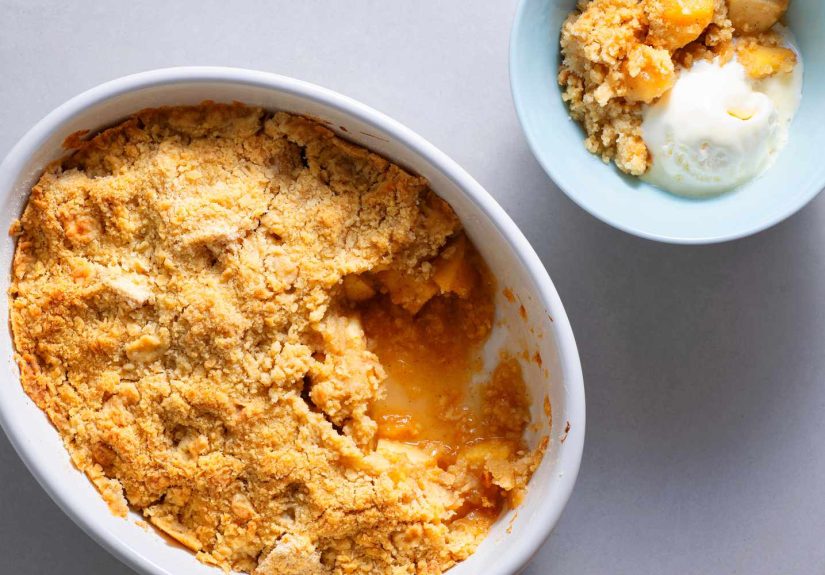
Few desserts understand the assignment quite like a traditional British apple crumble recipe. It is warm, buttery, humble, slightly messy, and completely uninterested in being fancy. No pie crust drama. No lattice-work anxiety. No pastry that demands emotional support. Just tender baked apples under a golden, sandy, buttery crumble topping that tastes like autumn put on a cardigan.
Apple crumble is one of Britain’s most beloved comfort desserts, and for good reason. It uses simple pantry ingredients, welcomes imperfect apples, and delivers a cozy pudding-style dessert that feels homemade even if you are the sort of cook who considers “preheating the oven” an achievement. The classic version is built around tart cooking apples, sugar, flour, butter, and a little spice. Serve it warm with custard, cream, or vanilla ice cream, and suddenly the kitchen becomes the best room in the house.
This in-depth guide shows you how to make a traditional British apple crumble from scratch using American measurements, practical apple substitutes, and clear baking tips. The goal is simple: soft apples, crisp crumble, balanced sweetness, and no sad soggy topping.
What Makes Apple Crumble Traditionally British?
Traditional British apple crumble is different from many American apple crisp recipes. In the United States, apple crisp often includes oats, nuts, or both in the topping. A British crumble topping is usually simpler: flour, butter, and sugar rubbed together until the mixture looks like coarse breadcrumbs. That is the magic. It is plain in the best possible way.
The British version also leans into the idea of “pudding,” which in the U.K. often means dessert rather than the spoonable custard Americans call pudding. Apple crumble is commonly served after Sunday lunch, during chilly evenings, or whenever there are apples sitting around looking slightly judgmental.
In Britain, Bramley apples are the classic choice because they cook down beautifully with a bright tart flavor. In the United States, Bramleys can be hard to find, so Granny Smith, Braeburn, Pink Lady, Honeycrisp, or a mix of tart and sweet apples works well. A blend gives the filling depth: some pieces soften into a saucy base while others hold their shape.
Ingredients for a Traditional British Apple Crumble
This recipe makes 6 to 8 servings, depending on whether your household believes dessert portions should be polite or heroic.
For the Apple Filling
- 2 1/2 pounds apples, peeled, cored, and sliced
- 2 tablespoons granulated sugar, or more if apples are very tart
- 1 tablespoon light brown sugar
- 1 tablespoon lemon juice
- 1 tablespoon all-purpose flour
- 1 teaspoon ground cinnamon
- 1/8 teaspoon ground nutmeg, optional
- Pinch of salt
For the Crumble Topping
- 1 1/4 cups all-purpose flour
- 1/2 cup cold unsalted butter, cut into small cubes
- 1/3 cup light brown sugar
- 2 tablespoons granulated sugar
- Pinch of salt
- 1/2 teaspoon cinnamon, optional
For Serving
- Warm vanilla custard
- Heavy cream
- Vanilla ice cream
- Greek yogurt, for a tangier modern option
Best Apples for Apple Crumble
The best apples for apple crumble are firm, flavorful, and slightly tart. If the apples are too soft, the filling can turn mushy. If they are too sweet, the dessert can taste flat. A good crumble needs contrast: bright fruit, buttery topping, and just enough sugar to make everything feel like a reward.
For a traditional British flavor in the U.S., use Granny Smith apples as the base. They are tart, widely available, and hold their structure well during baking. For more complexity, mix Granny Smith with Honeycrisp, Pink Lady, Braeburn, or Golden Delicious. Honeycrisp adds juicy sweetness, Pink Lady brings a lively sweet-tart bite, and Braeburn offers a rounded apple flavor that works beautifully under a crumble topping.
A smart mix is half Granny Smith and half Honeycrisp or Pink Lady. This gives you tenderness, texture, and enough natural sweetness that you do not need to bury the apples under sugar. The apples should taste like apples, not like they lost a fight with a candy shop.
How to Make Traditional British Apple Crumble
Step 1: Prepare the Baking Dish
Preheat the oven to 375°F. Lightly butter an 8-inch square baking dish or a similar 2-quart baking dish. A ceramic or glass dish works nicely because it holds heat evenly and looks charming on the table. If your baking dish has seen a few battles, this is its comeback moment.
Step 2: Slice and Season the Apples
Peel, core, and slice the apples into wedges about 1/4 inch thick. Place them in a large bowl. Add granulated sugar, brown sugar, lemon juice, flour, cinnamon, nutmeg, and salt. Toss until every slice is lightly coated.
The lemon juice brightens the flavor and helps balance the butter-rich topping. The flour absorbs some of the apple juices as they bake, creating a lightly thickened filling rather than a watery fruit puddle. The cinnamon adds warmth, but use it with restraint. Apple crumble should taste cozy, not like a cinnamon candle.
Step 3: Add the Apples to the Dish
Transfer the seasoned apples to the prepared baking dish and spread them evenly. The apples may look slightly piled up at first, but they will soften and settle as they bake. If a few slices stick up, do not panic. Crumble is rustic. Rustic is just a polite word for “deliciously uneven.”
Step 4: Make the Crumble Topping
In a medium bowl, combine the flour, brown sugar, granulated sugar, salt, and optional cinnamon. Add the cold cubed butter. Using your fingertips, rub the butter into the flour mixture until it forms crumbs of different sizes. You want a mixture that looks like coarse sand with some pea-sized buttery clumps.
Do not overwork the topping. Those little butter pieces melt in the oven and create a golden, crisp texture. If the butter gets too warm, the topping can become greasy or pasty. Cold butter is the secret handshake of a proper crumble.
Step 5: Cover the Apples
Sprinkle the crumble topping evenly over the apples. Do not press it down firmly. A loose topping allows heat to circulate, moisture to escape, and the surface to crisp. If you pack it down like wet sand at the beach, it may bake into a dense lid rather than a crumbly topping.
Step 6: Bake Until Golden and Bubbling
Bake for 40 to 50 minutes, or until the topping is golden brown and the apple filling is bubbling around the edges. If the topping browns too quickly before the apples are tender, loosely cover the dish with foil for the final 10 minutes.
Let the crumble rest for at least 10 to 15 minutes before serving. This short rest allows the juices to thicken slightly. It also prevents the classic dessert tragedy of taking one eager bite and realizing the filling is roughly the temperature of molten lava.
Traditional Serving Ideas
The most traditional way to serve British apple crumble is warm with custard. Proper pouring custard adds creamy sweetness and turns the dessert into something deeply comforting. In the United States, vanilla ice cream is the easiest and most popular pairing. The contrast between hot apples and cold ice cream is basically dessert theater.
Heavy cream is another simple option. Pour it directly over the warm crumble and let it slide into the corners of the dish. For a lighter pairing, try Greek yogurt or lightly sweetened whipped cream. If you want a pub-style finish, serve the crumble in shallow bowls with generous spoonfuls of custard and absolutely no concern for perfect presentation.
Tips for the Best Apple Crumble
Use Cold Butter
Cold butter creates a better crumble texture. Soft butter blends too smoothly into the flour and can make the topping heavy. Cube the butter straight from the refrigerator and rub it in quickly with cool fingers.
Do Not Skip the Lemon Juice
Lemon juice does not make the crumble taste lemony. It sharpens the apple flavor and keeps the filling from becoming dull. This is especially useful if you are using sweet apples like Honeycrisp or Golden Delicious.
Mix Apple Varieties
Using two apple varieties creates a better filling. Tart apples bring structure and brightness, while sweeter apples add fragrance and natural sugar. This small choice makes the difference between a good apple crumble and one people quietly remember later.
Keep the Topping Uneven
A crumble topping should not be perfectly smooth. Small crumbs bake crisp, while larger clumps become buttery nuggets. That mix of textures is exactly what makes apple crumble so satisfying.
Let It Rest Before Serving
Freshly baked apple crumble smells irresistible, but patience pays off. Resting helps the juices settle and makes serving easier. Ten minutes is enough; thirty minutes is still lovely. Three hours is suspicious because someone probably already ate half of it.
Common Apple Crumble Mistakes
Using Apples That Are Too Soft
Soft apples can collapse into applesauce during baking. While that is not the end of the world, it is not ideal for a crumble. Choose firm apples that can handle heat.
Adding Too Much Sugar
Apple crumble should be sweet, but not candy-like. Taste your apples before baking. If they are naturally sweet, reduce the sugar slightly. If they are very tart, add an extra tablespoon or two.
Making the Topping Too Fine
If the crumble mixture is rubbed too finely, it may bake into a dry, sandy layer. Leave some larger clumps for texture. The best topping looks imperfect before baking and perfect after.
Covering the Dish Too Tightly
Do not cover the crumble for the full baking time. Steam softens the topping. If foil is needed, use it only near the end to prevent over-browning.
Recipe Variations
Apple and Blackberry Crumble
Add 1 cup of fresh or frozen blackberries to the apple filling. This is a classic British variation, especially popular in late summer and early fall. The berries add color, tartness, and a dramatic purple juice that makes the dessert look far more impressive than the effort involved.
Apple Crumble with Oats
Although oats are more common in American apple crisp, you can add 1/2 cup rolled oats to the topping for extra chew and crunch. Reduce the flour by 2 tablespoons if you want a lighter texture.
Apple Crumble with Nuts
Add chopped walnuts or pecans to the topping for crunch. This is not strictly traditional, but it is delicious. Use about 1/3 cup and mix it into the crumble just before sprinkling it over the apples.
Less Sweet Apple Crumble
Reduce the sugar in the filling and topping by about one-third. Serve with plain Greek yogurt or unsweetened cream. This version lets the tart apples take center stage.
How to Store and Reheat Apple Crumble
Apple crumble is best served warm on the day it is baked, but leftovers are never a problem. Cover the cooled dish and store it in the refrigerator for up to 4 days. The topping will soften as it sits, but reheating can bring back some of the texture.
To reheat, place portions in a 325°F oven for 10 to 15 minutes. For a whole dish, reheat at 325°F for 20 to 25 minutes, loosely covered at first, then uncovered for the final few minutes. The microwave works for speed, but the topping will be softer. Still tasty, just less crisp. Life is full of trade-offs.
You can also freeze baked apple crumble. Let it cool completely, wrap it well, and freeze for up to 3 months. Thaw overnight in the refrigerator before reheating in the oven.
Why This Recipe Works
This traditional British apple crumble recipe works because it respects balance. The apples are tart but lightly sweetened. The topping is buttery but not greasy. The cinnamon is present but not bossy. The flour in the filling thickens the juices just enough, while the cold butter in the topping creates crisp, golden crumbs.
The recipe also avoids overcomplication. A crumble does not need caramel sauce, five kinds of sugar, or a topping that requires a spreadsheet. Its charm comes from simplicity. When apples, butter, flour, and sugar are treated properly, they do not need much help.
Traditional British Apple Crumble Recipe Card
Prep Time
20 minutes
Cook Time
40 to 50 minutes
Total Time
1 hour to 1 hour 10 minutes
Servings
6 to 8 servings
Oven Temperature
375°F
Instructions Summary
- Preheat oven to 375°F and butter a 2-quart baking dish.
- Toss sliced apples with sugars, lemon juice, flour, cinnamon, nutmeg, and salt.
- Spread apples evenly in the baking dish.
- Rub cold butter into flour, sugars, salt, and cinnamon until crumbly.
- Sprinkle topping loosely over apples.
- Bake for 40 to 50 minutes until golden and bubbling.
- Rest 10 to 15 minutes before serving with custard, cream, or vanilla ice cream.
Personal Experience: Why Apple Crumble Feels Like the Dessert Everyone Secretly Needs
There is something wonderfully forgiving about making apple crumble. Some desserts behave like strict schoolteachers. They demand exact measurements, chilled bowls, careful folding, and the kind of concentration usually reserved for defusing movie bombs. Apple crumble, thankfully, is more like a kind aunt who says, “That looks fine, love,” even when your apple slices are all different sizes.
The first thing you notice when making a traditional British apple crumble is how ordinary the ingredients look. Apples, flour, butter, sugar, cinnamon, lemon. Nothing glamorous. Nothing that requires a special trip to a boutique grocery store where the lighting is suspiciously flattering. Yet once the dish goes into the oven, the whole kitchen changes. The butter begins to toast, the apples soften, the cinnamon lifts into the air, and suddenly everyone in the house develops urgent business near the oven.
One of the best experiences connected to apple crumble is the sound of the spoon breaking through the topping. It is not the sharp crack of crème brûlée or the neat slice of pie. It is softer, more rustic, more generous. The spoon sinks through golden crumbs into tender apples, and the filling bubbles up around the edges like it has been waiting politely to be noticed.
Apple crumble also has a way of turning imperfect moments into good ones. Slightly bruised apples? Use them. A topping that clumps unevenly? Even better. Guests arriving in an hour? Plenty of time. Forgot to buy dessert? Congratulations, you are now making one. It is the rare recipe that feels both traditional and practical, the kind of dish that does not ask you to perform. It simply asks you to bake apples until they taste like comfort.
The traditional British style is especially satisfying because it is not overly sweet. The fruit still matters. The apples keep their brightness, the lemon gives a little lift, and the crumble topping brings richness without burying everything underneath a sugar avalanche. Served with warm custard, it becomes deeply nostalgic. Served with vanilla ice cream, it becomes weeknight happiness. Served cold from the fridge the next morning, it becomes breakfast if you are brave enough to call it that.
Another lovely part of making apple crumble is how easily it becomes personal. Some families add oats. Some add blackberries. Some insist on custard. Others believe ice cream is the only reasonable option. A few people add nuts, orange zest, ginger, or a pinch of cloves. The base recipe remains steady, but every kitchen leaves a fingerprint. That is what makes this dessert feel alive rather than old-fashioned.
If you are baking it for the first time, the best advice is not to overthink it. Choose firm apples, keep the butter cold, and bake until the top is golden and the fruit is bubbling. The dessert will tell you when it is ready. It will smell warm, buttery, and slightly caramelized. The edges will look juicy. The topping will look crisp enough to make you impatient. Let it rest anyway. That short wait is the final test of character.
In the end, traditional British apple crumble is more than a recipe. It is a reminder that simple food can still feel special. It is affordable, cozy, adaptable, and nearly impossible not to love. It does not need perfect plating or dramatic decoration. A spoon, a bowl, and something creamy on top are enough. And honestly, any dessert that can make apples and flour feel like a hug deserves a permanent place in the recipe box.
Conclusion
A traditional British apple crumble recipe proves that comfort food does not need to be complicated. With firm tart apples, a buttery flour-based crumble topping, a little lemon, and a gentle touch of cinnamon, you can make a dessert that feels timeless, cozy, and deeply satisfying. It is easier than pie, more rustic than cake, and charming enough to serve at family dinners, holiday meals, or quiet evenings when the weather looks gloomy and the couch is calling.
For the best results, use a mix of tart and sweet apples, keep the butter cold, avoid overworking the topping, and let the crumble rest before serving. Add custard for the most traditional British experience, or go with vanilla ice cream if you enjoy the hot-and-cold dessert drama. Either way, this apple crumble is the kind of recipe that disappears quickly and gets requested again before the dish is even washed.