Table of Contents >> Show >> Hide
- Waterpik vs. flossing: The quick answer
- What is a Waterpik, exactly?
- What traditional floss does well
- What water flossers do well
- Waterpik vs. flossing: A side-by-side comparison
- Which is better for gum health?
- Who should choose a Waterpik?
- Who should stick with traditional floss?
- Can you use both?
- How to get the best results from either method
- Common mistakes people make
- Real-world experiences: what using Waterpik vs. flossing often feels like
- Final verdict: Waterpik vs. flossing
If oral hygiene had a boxing ring, this would be the main event: Waterpik vs. flossing. In one corner, you have traditional string floss, tiny, cheap, and slightly annoying. In the other, the water flosser, sleek, splashy, and weirdly satisfying once you stop spraying the mirror. So which one deserves a spot in your daily routine?
Here is the honest answer: both can help your mouth stay healthier, but they do different jobs a little differently. Traditional floss is excellent at scraping plaque off the sides of teeth in tight spaces. A Waterpik, or any water flosser, is often easier to use and can be especially helpful around braces, bridges, implants, and areas where string floss feels like threading a needle during an earthquake. For many people, the smartest approach is not choosing one forever, but picking the method you will actually use every day.
This guide breaks down the benefits of Waterpik vs. flossing, the real-world pros and cons, who should use which tool, and how to get the best results without turning your bathroom into a tiny water park.
Waterpik vs. flossing: The quick answer
If you want the simplest takeaway, here it is:
- Traditional floss is great for tight contacts and for physically scraping plaque from tooth surfaces.
- Water flossers are easier for many people to use and can be especially useful for braces, crowns, bridges, implants, bleeding gums, and limited hand dexterity.
- The best interdental cleaner is the one you will use consistently and correctly.
- Brushing alone is not enough. You still need to clean between your teeth every day.
That last point matters. Plenty of people brush faithfully and still miss the spaces where plaque loves to camp out like it pays rent. Cleaning between teeth helps lower the chances of gum irritation, bleeding, bad breath, and cavities in those hard-to-reach areas.
What is a Waterpik, exactly?
Waterpik is a brand name that many people use as shorthand for a water flosser. A water flosser shoots a targeted stream of water between teeth and along the gumline. It is also called an oral irrigator or dental water jet.
Instead of scraping the tooth with a string, a water flosser helps flush out food particles and disrupt debris in spaces your toothbrush cannot reach. Many models include pressure settings, specialty tips, and larger or smaller reservoirs depending on whether you want a countertop machine or something travel-friendly.
Translation: it is part dental tool, part pressure washer for leftovers.
What traditional floss does well
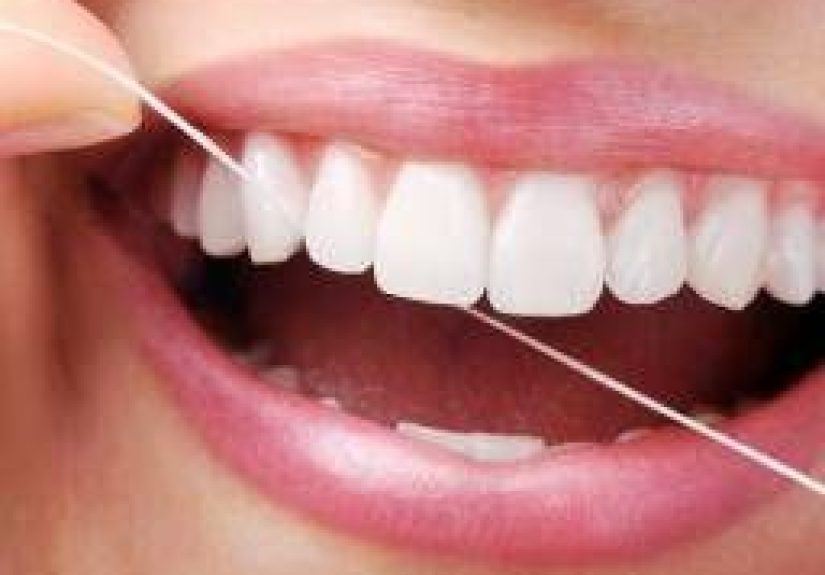
Traditional dental floss has survived every trend for a reason. When used correctly, it wraps around the side of each tooth and physically removes sticky plaque from places a toothbrush misses. That scraping action is its superpower.
Floss is also:
- Inexpensive
- Portable
- Easy to stash in a bag, desk, or glove compartment
- Available in waxed, unwaxed, tape, and specialty forms
- Reliable for tight spaces between teeth
The catch is that floss is technique-sensitive. If you snap it straight down, skip the curve around the tooth, or only floss the teeth you feel like flossing, you do not get the full benefit. In other words, floss works beautifully, but only when you do more than angrily saw at your gums for eight seconds.
Benefits of traditional flossing
The benefits of flossing include effective plaque removal in tight contacts, better control over where you clean, low cost, and zero need for batteries, charging cords, or counter space. It is also a strong choice for people who already floss comfortably and do not have braces or complicated dental work.
What water flossers do well
A Waterpik vs. flossing comparison gets more interesting when you factor in real life. Not ideal life. Real life. The life where people are tired, rushed, wearing braces, dealing with crowns, or simply not interested in performing miniature string acrobatics before bed.
Water flossers often shine in those situations because they are easier to maneuver and can flush around hardware and gum pockets more comfortably than string floss for many users.
Benefits of a Waterpik or water flosser
- Easier for braces: Water can move around brackets and wires more easily than string floss alone.
- Helpful for bridges and implants: The stream can reach areas that are awkward with standard floss.
- Good for people with limited dexterity: Arthritis, hand pain, or coordination issues can make traditional floss frustrating.
- Often gentler-feeling: People with sensitive gums sometimes find the learning curve easier.
- Can improve consistency: The easiest tool to use is often the one that becomes a habit.
Many people also like the immediate clean feeling after using a water flosser. You can actually see bits of food disappear, which is both satisfying and a little humbling if popcorn was involved.
Waterpik vs. flossing: A side-by-side comparison
| Category | Waterpik / Water Flosser | Traditional Floss |
|---|---|---|
| Plaque removal in tight spaces | Good, especially as part of a routine | Excellent when technique is correct |
| Ease of use | Often easier for beginners and people with braces | Can be tricky and technique-dependent |
| Best for braces, bridges, implants | Excellent choice | Possible, but more difficult without tools |
| Travel convenience | Less convenient, depending on model | Very convenient |
| Cost | Higher upfront cost | Low cost |
| Mess factor | Can be splashy at first | Minimal |
| Daily compliance | High for people who dislike string floss | High for people who already like the habit |
Which is better for gum health?
This is where the debate usually gets spicy. Some people want a winner. A champion. A gold medalist with minty breath.
But the better question is not just, “Which tool is strongest in theory?” It is, “Which tool helps you clean between your teeth effectively every day?”
Traditional floss remains a strong standard because it directly wipes plaque off the side of the tooth. That mechanical action matters. At the same time, water flossers have shown benefits for reducing gum bleeding and improving gum health in many users, especially in situations where string floss is harder to use well. If a water flosser helps someone clean thoroughly every night instead of skipping floss altogether, that is a meaningful win.
So in the Waterpik vs. flossing conversation, the real answer is often this:
- If you already floss correctly and consistently, you may not need to switch.
- If you hate flossing, never do it well, or avoid it completely, a water flosser may be a better fit.
- If you have braces, implants, bridges, or crowded dental work, a water flosser can be especially useful.
- If you want the most thorough routine possible, use both strategically.
Who should choose a Waterpik?
A water flosser may be the better option if you:
- Have braces or permanent retainers
- Have dental implants, crowns, or bridges
- Struggle with hand strength or dexterity
- Notice bleeding gums and want a gentler-feeling routine
- Dislike string floss so much that you keep skipping it
- Want an easier way to clean around wide gaps or tricky areas
For these users, the convenience factor is not a minor perk. It is often the difference between “I should really floss more” and “I actually cleaned between my teeth tonight.”
Who should stick with traditional floss?
Traditional floss may be the better choice if you:
- Have tight spaces between teeth
- Already floss well and find it easy
- Want the lowest-cost option
- Need something portable for travel or work
- Prefer a simple, no-device routine
There is no prize for making oral care more complicated than it needs to be. If floss works for you and your dentist is happy with your gum health, that is a strong case for staying the course.
Can you use both?
Absolutely, and for some people, that is the sweet spot.
Using both can make sense when you want the scraping action of floss plus the flushing power of a water flosser. For example, someone with crowded teeth and a bridge may floss the tighter contacts and then use a water flosser to clean around dental work and along the gumline.
You do not need to turn your nightly routine into a 14-step spa ritual for molars. But if combining tools helps you stay cleaner and your gums healthier, it is a reasonable approach.
How to get the best results from either method
If you use traditional floss
- Use enough floss so you can move to a clean section as you go.
- Curve it into a C shape around each tooth.
- Slide gently below the gumline.
- Do not snap it hard into the gums.
- Be consistent, even when you are tired and your bed is calling your name.
If you use a water flosser
- Start on the lowest setting if you are new to it.
- Lean over the sink before turning it on unless you enjoy chaos.
- Trace along the gumline slowly rather than blasting randomly.
- Clean the reservoir and follow the device instructions.
- Do not share tips unless the product allows it and hygiene is handled properly.
Common mistakes people make
The biggest mistake is thinking brushing alone is enough. It is not. Another common mistake is assuming one awkward flossing attempt means floss “doesn’t work.” Often, the issue is technique, consistency, or picking the wrong tool for your mouth.
People also tend to quit too early. With string floss, the first week can feel clumsy. With a water flosser, the first few tries can look like you tried to brush your teeth during a rainstorm. Both improve with practice.
Real-world experiences: what using Waterpik vs. flossing often feels like
On paper, the benefits and comparison of Waterpik vs. flossing sound neat and clinical. In real life, the experience is a lot more human. Some people feel instantly loyal to string floss because it is quick, cheap, and gives them that clean “squeak” between the teeth. They like knowing they are physically scraping plaque off the tooth surface. Once the habit is built, it becomes automatic. They floss during a TV show, before bed, or while pretending they are the kind of person who has all their life systems perfectly organized.
Other people have the exact opposite reaction. They dislike the feeling of floss cutting into their fingers, they struggle to reach the back teeth, or they never really master the angle. For them, flossing can feel like a chore designed by someone who hates wrists. These are often the people who try a water flosser and suddenly think, “Wait, this is allowed? Oral care can be this much easier?” The device feels more approachable, especially if they have braces, a bridge, or a permanent retainer that turns normal flossing into a puzzle.
People with braces often describe a water flosser as a sanity-saving tool. Food gets trapped in brackets and wires with an almost supernatural commitment, and a targeted stream of water can help clear out those stubborn bits faster than floss alone. The same goes for people with implants or bridges, who may feel that a water flosser reaches around dental work in a more comfortable and less awkward way.
There is also the motivation factor. A lot of oral care advice assumes people are robots with endless patience. They are not. A method that feels easier, cleaner, or more satisfying is often the one people stick with. And consistency beats perfection almost every time. A person who uses a water flosser every night is usually in a better place than a person who owns floss but only remembers it when a popcorn kernel launches a personal attack.
That said, traditional floss still wins loyal fans because it is simple and effective. No charging. No refilling. No machine hum. No countertop negotiations. For travelers, minimalists, and people who already have a solid routine, floss can feel beautifully boring in the best possible way.
The most realistic experience-based takeaway is this: the “best” option is often the one that fits your teeth, your dental work, your dexterity, your schedule, and your tolerance for nightly hygiene drama. Some people thrive with string floss. Some people finally become consistent with a Waterpik. And some discover that using both gives them the cleanest mouth and the fewest lectures from the hygienist. That is not cheating. That is strategy.
Final verdict: Waterpik vs. flossing
When it comes to Waterpik vs. flossing: benefits and comparison, there is no cartoon villain here. Both tools can support better oral hygiene. Traditional floss is still excellent for mechanically cleaning tight spaces and tooth surfaces. Water flossers are practical, effective, and often easier for people with braces, implants, bridges, sensitive gums, or dexterity issues.
If regular flossing is already working for you, keep going. If it is not, a water flosser may be the upgrade that finally makes interdental cleaning feel doable. And if you want the most thorough routine, using both is a perfectly reasonable move.
The real winner is not the gadget or the string. It is the habit. Clean between your teeth every day, brush properly, keep dental checkups on the calendar, and your gums will likely send a thank-you note, even if they do it silently.