Table of Contents >> Show >> Hide
- Why Hurricane Prep Matters Before the Forecast Gets Scary
- The Essential Hurricane Prep Checklist
- 1. Know Your Hurricane Risk
- 2. Build a Go-Kit and a Stay-at-Home Kit
- 3. Make a Family Communication Plan
- 4. Plan Your Evacuation Route Early
- 5. Protect Your Home Before the Wind Arrives
- 6. Prepare for Power Outages
- 7. Keep Food and Water Safe
- 8. Prepare for Medical, Accessibility, and Special Needs
- 9. Do Not Forget Pets
- 10. Protect Documents, Money, and Insurance Information
- What to Do During a Hurricane
- What to Do After the Storm Passes
- Common Hurricane Prep Mistakes to Avoid
- Real-Life Hurricane Prep Experiences: Lessons That Stick
- Conclusion: Prepare Early, Stay Flexible, and Listen to Officials
Hurricane prep is one of those grown-up responsibilities that feels dramatic until the sky turns greenish-gray, the gas stations have lines longer than a theme park ride, and every flashlight in your house mysteriously contains batteries from 2017. The good news? Preparing for a hurricane does not require panic, a bunker, or buying every can of beans within a 20-mile radius. It requires a smart storm safety checklist, a little planning, and the humility to admit that nature does not care how busy your week is.
Hurricanes can bring violent winds, storm surge, inland flooding, tornadoes, power outages, contaminated water, damaged roads, and days or weeks of disruption. They are not just coastal problems, either. A storm that makes landfall in one state can push heavy rain, flash flooding, and power failures far inland. That is why hurricane preparedness should begin long before a storm has a name and a spaghetti model on the evening news.
This essential hurricane safety checklist walks you through what to do before, during, and after a storm. It covers emergency supplies, evacuation planning, home protection, generator safety, food and water safety, pet readiness, important documents, and real-world lessons that can make your storm plan stronger. Think of it as your calm, practical friend who brings batteries, labels the cooler, and does not wait until the wind is howling to look for the insurance policy.
Why Hurricane Prep Matters Before the Forecast Gets Scary
The best hurricane prep happens when the weather is boring. Once a hurricane watch or warning appears, stores get crowded, fuel runs low, roads fill up, and decisions become more stressful. Preparing early gives you more choices. You can compare evacuation routes, buy supplies gradually, protect your home, check insurance, and make a family communication plan without the emotional soundtrack of emergency alerts buzzing every ten minutes.
A hurricane checklist also helps prevent small problems from becoming major ones. A missing phone charger is annoying on a normal day. During a power outage, it can cut you off from weather updates, relatives, insurance contacts, and emergency alerts. A refrigerator without an appliance thermometer may leave you guessing whether food is safe. A generator placed too close to a window can create a carbon monoxide hazard. Hurricane prep is really about reducing guesswork when conditions are already difficult.
The Essential Hurricane Prep Checklist
1. Know Your Hurricane Risk
Start by learning the risks specific to your area. Are you in a storm surge zone? Do nearby roads flood? Are you in a mobile home, high-rise apartment, older house, or low-lying neighborhood? Your plan should match your risk. For example, someone living near the coast may need a firm evacuation plan, while someone inland may focus more on flash flooding, falling trees, and extended power outages.
Do not rely only on the storm category. Hurricane categories are based on wind speed, but water is often the deadliest part of a storm. Storm surge can push seawater inland, heavy rain can flood neighborhoods far from the beach, and rivers can rise after the worst winds have passed. If local officials order an evacuation, treat it seriously. A house can be repaired. Your family cannot be replaced at the hardware store next to the plywood.
2. Build a Go-Kit and a Stay-at-Home Kit
A strong hurricane emergency kit has two layers: a go-kit for evacuation and a stay-at-home kit for riding out disruptions safely. Your go-kit should be portable and ready to grab quickly. Your stay-at-home kit should support your household for a longer period if roads, stores, pharmacies, or utilities are unavailable.
Pack at least one gallon of water per person per day for drinking and basic sanitation. Include nonperishable food that does not require refrigeration, complicated cooking, or a culinary degree. Choose items your household will actually eat: canned tuna, nut butter, protein bars, crackers, shelf-stable milk, dried fruit, ready-to-eat soups, and baby food if needed. Add a manual can opener unless your disaster plan includes staring angrily at a can of beans.
- Water for each person and pet
- Three days of portable food for evacuation
- Up to two weeks of supplies for staying home
- Flashlights and extra batteries
- Battery-powered or hand-crank radio
- First aid kit
- Prescription medications and medical supplies
- Phone chargers, power banks, and backup batteries
- Cash in small bills
- Copies of IDs, insurance papers, and medical records
- Personal hygiene items, wipes, trash bags, and hand sanitizer
- Whistle, multi-tool, duct tape, gloves, and basic tools
3. Make a Family Communication Plan
Storms love to break routines. Schools close, offices shut down, cell towers get overloaded, and relatives begin sending texts that say, “Are you okay?” even when you have already replied three times. Create a family communication plan before that happens.
Choose an out-of-town contact everyone can check in with. Write down phone numbers because a dead phone should not erase your entire social network. Decide where your household will meet if separated. Share your evacuation destination with trusted relatives or friends. If you have children, older adults, or people with disabilities in the household, make sure everyone understands who is responsible for transportation, medications, assistive devices, and backup power needs.
4. Plan Your Evacuation Route Early
Evacuation is not the moment to discover that your preferred road floods every time a squirrel sneezes near a drainage ditch. Know your evacuation zone, identify multiple routes, and choose destinations in advance. Your destination could be a hotel, a friend’s home, a public shelter, or a location outside the storm’s projected impact area.
Keep your vehicle fueled during hurricane season, especially when a storm is forming. Pack emergency supplies in the car, including water, snacks, medications, pet supplies, phone chargers, a paper map, and a basic roadside kit. If you do not own a car, arrange transportation early with family, neighbors, local emergency services, or community programs. Waiting until evacuation orders are issued can limit your options.
5. Protect Your Home Before the Wind Arrives
Home preparation should begin well before hurricane season. Inspect your roof, gutters, windows, doors, garage door, and drainage areas. Trim weak branches away from the house. Clear gutters and storm drains. Bring in outdoor furniture, grills, toys, potted plants, garden tools, and anything else the wind could turn into a neighborhood missile.
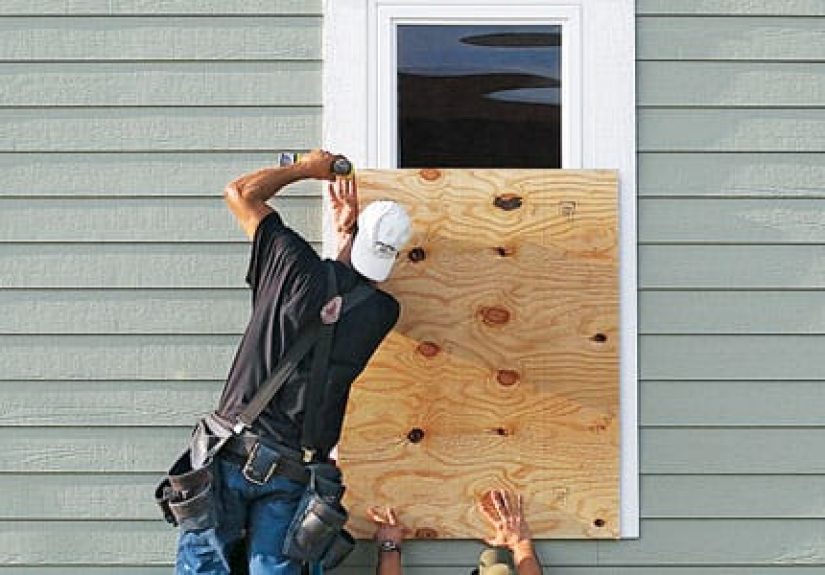
Install storm shutters or use properly fitted plywood if shutters are not available. Do not tape windows. Tape may create a false sense of security, but it does not protect glass from windborne debris. Check that garage doors are reinforced, because a failed garage door can allow wind pressure to damage the structure. Move valuables, electronics, and important documents away from low areas if flooding is possible.
6. Prepare for Power Outages
Power outages are one of the most common hurricane headaches. Charge phones, tablets, laptops, power banks, medical devices, and rechargeable lanterns before the storm. Set refrigerators and freezers to colder settings in advance if recommended by the appliance manufacturer. Freeze containers of water to help keep the freezer cold and provide extra water as they thaw.
If you use a generator, safety is nonnegotiable. Operate it outdoors, away from windows, doors, vents, garages, and enclosed spaces. Carbon monoxide is invisible and odorless, which makes it especially dangerous. Install battery-powered or battery-backup carbon monoxide detectors on every level of your home. Never use grills, camp stoves, charcoal burners, or gas ovens indoors for heat or cooking.
7. Keep Food and Water Safe
Food safety after a hurricane is not glamorous, but neither is food poisoning during a power outage. Keep refrigerator and freezer doors closed as much as possible. A closed refrigerator can generally keep food cold for about four hours. A full freezer can hold temperature longer than a half-full freezer, especially if the door stays closed.
Use appliance thermometers in your refrigerator and freezer. Perishable foods that rise above safe temperatures for too long should be discarded. Meat, poultry, fish, eggs, milk, leftovers, and cut produce are not worth gambling with. When in doubt, throw it out. Yes, it hurts to toss a beautiful lasagna, but it hurts less than turning your emergency shelter into a gastrointestinal crime scene.
For water safety, follow local boil-water notices and public health instructions. Store bottled water in advance. If flooding affects your home, assume floodwater may contain sewage, chemicals, sharp objects, and other hazards. Do not let children play in floodwater, and avoid driving through it. Just six inches of moving water can knock an adult off balance, and deeper water can carry vehicles away.
8. Prepare for Medical, Accessibility, and Special Needs
Every hurricane plan should account for the real people in your household, not an imaginary family of four who all eat granola bars and require nothing but flashlights. Refill prescriptions early when possible. Keep a written list of medications, dosages, allergies, doctors, pharmacies, and emergency contacts. Include spare glasses, hearing aid batteries, mobility equipment, oxygen supplies, diabetes supplies, and backup power plans for medical devices.
If someone depends on electricity for medical equipment, contact your utility company and local emergency management office before hurricane season. Ask about medical needs registries, shelter options, transportation assistance, and backup power planning. If you care for an older adult, create a clear plan for evacuation, comfort items, mobility support, and medication management.
9. Do Not Forget Pets
Pets need hurricane prep too. Pack food, water, bowls, medications, leashes, carriers, litter, waste bags, vaccination records, microchip information, and a recent photo of each pet. Identify pet-friendly hotels, shelters, boarding facilities, or friends outside the evacuation zone. Do not assume every shelter accepts animals. Service animals have different access protections, but household pets may require designated pet-friendly arrangements.
Practice getting pets into carriers before an emergency. A cat who treats the carrier like a haunted suitcase will not become cooperative just because there is a hurricane warning. Label carriers with your contact information and keep pets indoors as weather worsens.
10. Protect Documents, Money, and Insurance Information
Gather important documents in a waterproof pouch or digital backup. Include IDs, passports, birth certificates, insurance policies, medical records, property records, vehicle titles, pet records, bank information, and emergency contacts. Take photos or videos of your home and belongings before hurricane season. This can help with insurance claims if damage occurs.
Review homeowners, renters, windstorm, and flood insurance before a storm is approaching. Standard homeowners insurance usually does not cover flood damage. Flood insurance often has a waiting period before it becomes active, so buying coverage when a storm is already spinning offshore may be too late. Read policies carefully and ask your agent what is covered, what is excluded, and what deductibles apply.
What to Do During a Hurricane
During the storm, stay indoors and away from windows. Move to an interior room on the lowest safe level of the building, but avoid areas that could flood. Keep your emergency kit nearby. Continue monitoring official alerts through a battery-powered radio, weather app, or emergency notifications. Do not go outside during the eye of the storm. Calm conditions can quickly turn dangerous again when the other side of the hurricane arrives.
If flooding begins inside your home and water is rising, move to a higher level if it is safe. Do not enter an attic unless you have a way to escape through the roof if necessary. If local authorities tell you to evacuate before the storm, leave early. Emergency responders may not be able to reach you once winds and floodwaters become severe.
What to Do After the Storm Passes
After a hurricane, danger does not clock out just because the wind slows down. Watch for downed power lines, unstable trees, damaged buildings, contaminated water, broken glass, sharp debris, snakes, insects, and flooded roads. Return home only when officials say it is safe. Wear sturdy shoes, gloves, long sleeves, and eye protection when inspecting damage.
Take photos before cleaning up. Contact your insurance company as soon as practical. If your home flooded, dry it out quickly and safely. Mold can begin growing fast when materials stay wet. Remove soaked porous items that cannot be cleaned and dried. Use protective equipment during cleanup, and consider professional help for major flood damage, sewage contamination, structural damage, or extensive mold.
Be careful with chainsaws, ladders, generators, and cleanup equipment. Many hurricane injuries happen after the storm, when people are tired, overheated, rushed, or trying to fix everything at once. Pace yourself. Drink water. Check on neighbors. Accept help when you need it, and offer help when you safely can.
Common Hurricane Prep Mistakes to Avoid
One common mistake is waiting too long. If you shop only when a warning is issued, you may find empty shelves where batteries, water, and bread once lived. Another mistake is preparing only for wind. Flooding, storm surge, heat, power outages, and contaminated water can be just as disruptive.
People also underestimate communication problems. Save key phone numbers offline. Print addresses and maps. Make sure every family member knows the plan. A third mistake is unsafe generator use. Generators are useful tools, but they can be deadly when operated indoors, in garages, on porches, or near openings where fumes can enter the home.
Finally, do not forget emotional readiness. Storms are stressful. Children may be frightened, adults may be overwhelmed, and pets may act strangely. Pack comfort items, games, books, headphones, snacks, and familiar routines where possible. Calm is also a supply.
Real-Life Hurricane Prep Experiences: Lessons That Stick
The most useful hurricane prep lessons often come from people who have already sat through one storm and said, “Next time, I’m doing that differently.” One family learned that having bottled water was helpful, but having a clean bathtub filled for flushing toilets was equally valuable. Another discovered that their emergency food was technically edible but required cooking, which became a problem when the power failed and the electric stove became an expensive countertop decoration.
A homeowner who had prepared shutters early avoided the last-minute scramble at the hardware store. While neighbors were searching for plywood and screws, he was able to install labeled panels quickly and then help an elderly neighbor secure patio furniture. The lesson was simple: preparation bought him time, and time became a tool.
Another household packed a go-bag but forgot pet documents. When they evacuated, the hotel asked for vaccination records. The records existed, of course, but they were sitting in a filing cabinet back home, enjoying the storm in complete uselessness. After that experience, they created a digital folder with pet records, insurance papers, prescriptions, IDs, and emergency contacts. They also kept printed copies in a waterproof pouch.
Food safety stories are common too. One family kept opening the refrigerator to “check on things,” which is very human and very bad for cold air. After losing most of their perishable food, they changed their system. Before the next storm, they placed drinks and snacks in a cooler so the refrigerator could stay closed. They also added appliance thermometers and frozen water bottles to the freezer. That small change helped them avoid waste and guesswork.
Power outage experience teaches humility fast. A fully charged phone feels powerful until the outage lasts three days. People who have gone through long outages often recommend multiple charging options: power banks, car chargers, solar chargers, and a battery-powered radio. They also recommend writing down phone numbers because your smartphone is not a personality trait; it is a device with a battery.
The biggest lesson is that hurricane prep is not about fear. It is about making future-you less miserable. Future-you does not want to search for flashlights in the dark, argue with a garage door in tropical-storm winds, or wonder whether the chicken in the fridge is still safe. Future-you wants water, documents, medicine, safe shelter, a charged phone, and maybe a snack that does not taste like cardboard with ambition.
Conclusion: Prepare Early, Stay Flexible, and Listen to Officials
Hurricane preparation is not a one-time chore. It is a seasonal habit that protects your family, pets, home, finances, and peace of mind. Build your hurricane emergency kit before the forecast gets urgent. Know your evacuation zone. Keep documents ready. Plan for power outages. Use generators safely. Protect food and water. Follow local officials, because they have the most relevant information for your area.
The best storm safety checklist is the one you complete before you need it. Start small if you must: buy extra batteries this week, scan documents tomorrow, check your evacuation zone, trim branches, and add a few gallons of water to your supplies. Hurricane prep does not have to be dramatic. In fact, the less dramatic it feels, the better you are probably doing it.